 Health
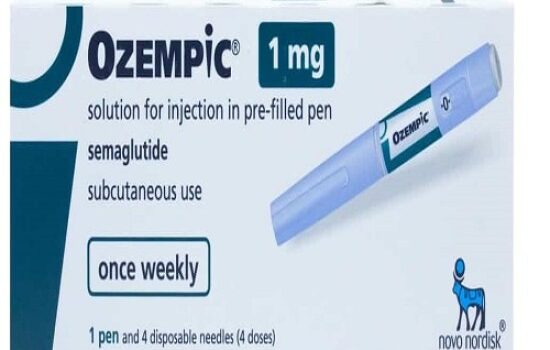
Ozempic 1 mg vs Ozempic 0.5 mg: Which One Wins – buymedlife
When it comes to managing type 2 diabetes and shedding unwanted pounds, Ozempic has become a game-changer. But if you’re new to the medication or just curious, you’ve likely stumbled upon a common question: Ozempic 1 mg vs 0.5 mg — which one actually works better?
Whether you’re looking to improve blood sugar control or boost your weight loss journey, knowing the difference between these two doses can help you make a more informed decision with your doctor. In this article, we’ll break it all down: from how each dose works, to side effects, benefits, and which might be right for your specific goals.
What Is Ozempic?
Before diving into the dose comparison, let’s take a quick look at what Ozempic actually is.
Ozempic (semaglutide) is an injectable prescription medication used to manage blood sugar levels in people with type 2 diabetes. It belongs to a class of drugs called GLP-1 receptor agonists, which mimic the hormone GLP-1 to:
-
Increase insulin production
-
Decrease glucagon (a hormone that raises blood sugar)
-
Slow down stomach emptying, making you feel fuller longer
In addition to controlling diabetes, Ozempic has also been found to promote weight loss, which is why it’s become so popular — even among non-diabetics.
Why Are There Different Doses?
Ozempic comes in several dose options, but the most commonly prescribed are 0.5 mg and 1 mg, both administered once a week via a pre-filled injection pen.
So why the different doses?
Because everyone responds differently to medications. Doctors often start patients on a lower dose (0.25 mg or 0.5 mg) to see how they tolerate the medication, and then gradually increase to 1 mg if more effectiveness is needed or if the patient’s goals aren’t being met.
Ozempic 0.5 mg: The Starter Dose
The 0.5 mg dose is often considered the standard starting dose after patients complete the initial 0.25 mg for the first four weeks. It helps the body adjust to semaglutide while reducing the risk of side effects.
Key Benefits of 0.5 mg:
-
Helps control blood sugar levels
-
May result in modest weight loss
-
Lower risk of gastrointestinal side effects
-
Often well-tolerated by first-time users
Who Is It For?
-
Individuals who are new to Ozempic
-
Those who need moderate glycemic control
-
Patients sensitive to medication side effects
Ozempic 1 mg: The Next-Level Dose
If 0.5 mg isn’t cutting it — whether in terms of weight loss or blood sugar management — doctors often recommend stepping up to the 1 mg dose.
Key Benefits of 1 mg:
-
Greater reduction in HbA1c levels (a key marker of long-term blood sugar control)
-
More noticeable weight loss in many patients
-
Helps patients who plateaued on 0.5 mg
-
May reduce the risk of cardiovascular events
Who Is It For?
-
People who didn’t see enough improvement on 0.5 mg
-
Those aiming for more aggressive weight loss
-
Diabetics with higher blood sugar levels or insulin resistance
Head-to-Head: Ozempic 1 mg vs 0.5 mg
Now let’s break down the differences that really matter.
| Feature | Ozempic 0.5 mg | Ozempic 1 mg |
|---|---|---|
| Dose Frequency | Once per week | Once per week |
| Purpose | Blood sugar control, weight loss | Stronger blood sugar control, more weight loss |
| Starting Point | Usually after 0.25 mg | Usually after 0.5 mg |
| Effectiveness | Good for mild to moderate diabetes | Better for moderate to severe diabetes |
| Average Weight Loss | 6–8 lbs in 12–16 weeks (varies) | 10–14 lbs or more in 12–16 weeks (varies) |
| HbA1c Reduction | Around 1.0% | Around 1.5% |
| Side Effects | Mild to moderate | Slightly more pronounced |
| Cost | Usually the same | Usually the same |
Effectiveness for Weight Loss
Let’s face it — many people ask about Ozempic not just for diabetes, but because of its ability to help with weight loss.
So, which dose is better for shedding pounds?
Research and anecdotal evidence both show that Ozempic 1 mg tends to result in more weight loss than the 0.5 mg dose. That’s because the higher dose has a stronger effect on reducing appetite, cravings, and food intake.
That said, more isn’t always better. Some people do very well on 0.5 mg, especially when combined with a healthy diet and exercise routine.
What About Side Effects?
Like all medications, Ozempic has its side effects — and they often show up more clearly when the dose is increased.
Common Side Effects (Both Doses):
-
Nausea
-
Diarrhea
-
Constipation
-
Vomiting
-
Fatigue
-
Stomach pain
-
Bloating
What Changes With 1 mg?
At 1 mg, some users report stronger nausea or bloating, especially during the first few weeks of the dose increase. However, many of these side effects decrease over time as the body adjusts.
If the side effects of 1 mg become too uncomfortable, your doctor may recommend going back to 0.5 mg or adjusting your diet and hydration levels.
Which Dose Is Right for You?
This ultimately depends on your goals, your body, and your doctor’s advice.
Choose Ozempic 0.5 mg if:
-
You’re just starting out
-
You prefer fewer side effects
-
You want to ease into the treatment
-
Your blood sugar is only mildly elevated
Choose Ozempic 1 mg if:
-
0.5 mg isn’t working well enough
-
You’ve hit a weight loss plateau
-
Your doctor recommends more aggressive treatment
-
You’re managing higher blood sugar levels or insulin resistance
What Do Real Users Say?
Let’s take a look at what some real users have shared in forums and reviews:
“I lost about 7 lbs on 0.5 mg in 6 weeks. But when I bumped to 1 mg, I lost 5 more in just 3 weeks.”
“1 mg helped me finally get my A1C below 7.0. I couldn’t do that on 0.5 mg.”
“The nausea was way worse on 1 mg, but I pushed through. Totally worth it for the results.”
Of course, everyone reacts differently. Some users are happy to stay on the lower dose indefinitely, especially if they’ve found a sweet spot with minimal side effects and steady progress.
Cost Comparison
The price of Ozempic generally doesn’t change between doses — whether you’re taking 0.5 mg or 1 mg, the cost is usually the same, as both are packaged in the same way. However, always check your insurance plan, coupons, and pharmacy options for better pricing.
Can You Switch Between Doses?
Yes — dose adjustments are common. Your healthcare provider may increase your dose to 1 mg if your body is tolerating it well and more benefits are needed. On the flip side, if side effects are too harsh or you’re already seeing the results you want, you may stay on 0.5 mg or even decrease the dose.
Switching is flexible, but always done under your doctor’s guidance.
Tips for Making the Most of Your Dose
Whether you’re on 0.5 mg or 1 mg, here are a few tips to maximize your results:
-
Stay hydrated: Helps with nausea and bloating
-
Eat smaller meals: You’ll feel full faster anyway
-
Avoid fatty and greasy foods: These can trigger side effects
-
Track your progress: Keep an eye on weight, blood sugar, and side effects
-
Talk to your doctor regularly: Adjustments may be needed
Final Verdict: Ozempic 1 mg vs 0.5 mg – Which One Wins?
In a head-to-head comparison, Ozempic 1 mg tends to win in terms of effectiveness — offering stronger blood sugar control and greater weight loss. However, Ozempic 0.5 mg is no slouch, especially for beginners or those sensitive to side effects.
Think of it this way:
-
Start low, go slow.
-
Move up if you need more results.
-
Listen to your body and your doctor.
No matter which dose you’re on, Ozempic can be a powerful tool in your health journey. The key is finding what works best for you.