 Health
Personal Accident Insurance Payout in Case of Permanent Total Disability
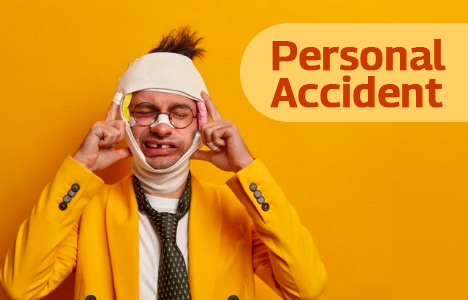
In India, unforeseen accidents can result in major physical, emotional, and financial setbacks. One of the most severe outcomes of such incidents is permanent total disability (PTD), which could significantly affect a person’s earning ability and lifestyle. To provide financial security against such scenarios, personal accident insurance is designed to offer monetary assistance. This article discusses how the payout mechanism works under personal accident insurance in the event of PTD and the considerations one should keep in mind.
What is permanent total disability?
Permanent total disability refers to a medical condition where the policyholder loses the ability to work due to the complete and irreversible loss of one or more limbs, eyesight in both eyes, or becomes bedridden permanently. It is essential to understand that PTD does not cover temporary or partial disabilities.
Personal accident insurance and PTD coverage
A personal accident insurance typically includes compensation for various types of injuries such as accidental death, partial disability, temporary disability, and permanent total disability. In the event of PTD, the insurer provides a lump sum amount to the insured as per the sum insured defined in the policy.
Payout structure under personal accident insurance
When PTD is established and validated through medical documentation, insurers release the payout based on predefined terms. Here’s how it generally works:
- The full sum insured is paid to the policyholder.
- The payout is made only once (lump sum), and the policy may either continue with reduced benefits or terminate after this settlement.
- The claim is honoured after all necessary medical evidence, doctor certifications, and insurer validations are completed.
For example, if a person has a personal accident insurance cover of Rs. 20 lakh and suffers from permanent total disability, the full Rs. 20 lakh may be paid out after due verification.
Common conditions considered under PTD
Insurance providers typically define PTD with clarity. Some of the common qualifying conditions include:
- Loss of both eyes or complete blindness
- Loss of both hands or both legs
- Loss of one hand and one leg
- Permanent paralysis of limbs
- Becoming completely bedridden
Exclusions under PTD claims
While personal accident insurance offers comprehensive protection, there are some exclusions related to PTD claims:
- Disability arising due to intentional self-harm
- Injuries sustained under the influence of alcohol or drugs
- Pre-existing medical conditions leading to disability
- War, terrorism, or nuclear events (unless specifically included)
- Participation in hazardous activities or illegal acts
It is advisable to carefully go through the exclusions section of any health insurance policy to avoid misunderstandings during claims.
Required documents for PTD claim
To receive the payout under PTD, the insured or their nominee must submit certain documents:
- Duly filled claim form
- Policy copy
- Medical certificates from a recognised medical practitioner
- Disability certificate issued by a government-approved medical board
- Photographs showing injury/disability
- Police FIR or accident report (if applicable)
- Identity and address proof
Submission of these documents enables the insurance company to process the claim efficiently.
Timeframe for claims
Insurance companies usually take about 15 to 30 working days to settle personal accident insurance claims related to PTD, provided all documents are in order and no further investigations are needed. Delays may occur if clarification or verification is required.
Link between personal accident and critical health insurance
While personal accident insurance covers injury-related outcomes like PTD or death, critical health insurance deals with life-threatening illnesses such as cancer, kidney failure, or stroke. Both offer different kinds of financial protection. However, when combined, these can provide broader coverage for health and accident-related adversities.
A critical health insurance plan pays a lump sum if the policyholder is diagnosed with a specified critical illness, whereas a personal accident policy compensates for disability or death caused solely by accidents.
For individuals engaged in physically intensive professions or with dependents, it is often advisable to consider both types of insurance for complete financial preparedness.
Tax benefits on premiums
Premiums paid towards personal accident insurance and critical health insurance may offer tax deductions under section 80D of the Income Tax Act, subject to terms. While health insurance premiums for critical illness typically qualify for deductions, personal accident insurance may not always be eligible unless packaged within a broader health policy. Policyholders should confirm with a tax advisor before claiming deductions.
Factors to consider when selecting a policy with PTD cover
When choosing a personal accident insurance plan that includes permanent total disability, consider the following:
- Sum insured amount: Choose a cover that would be sufficient to replace lost income for a few years.
- Scope of disability covered: Ensure that the policy lists PTD clearly and provides definitions.
- Waiting period and claim settlement ratio: Check the insurer’s track record for claim handling.
- Add-ons: Some plans offer additional benefits like education cover for children, home modification support, or income replacement.
Importance of financial planning in case of disability
A disability may lead to loss of job, increased medical expenses, lifestyle adjustments, or permanent dependence on caregivers. The financial burden can be significant. Hence, a well-chosen personal accident insurance policy serves as a key part of a broader financial plan, especially when combined with health insurance and critical illness coverage.
Conclusion
Permanent total disability is a life-altering event that can severely impact an individual’s earning ability and independence. Personal accident insurance provides much-needed financial support through a one-time payout in such unfortunate scenarios. When selected wisely and supported with other policies like critical health insurance, it ensures all-round protection against both accident-related and illness-related setbacks. Always review policy terms, inclusions, and exclusions before purchase, and maintain updated documentation to ensure hassle-free claims.