 Home Improvement
Design a Bee-Friendly Garden That’s Completely Safe for Kids
- by enoil
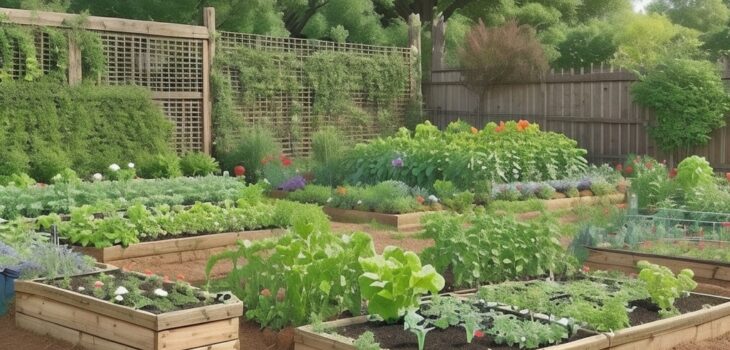
Designing a bee-friendly garden that’s safe for children requires careful planning, plant selection, and awareness of pollinator behavior. The goal is to create a space where bees can thrive while ensuring kids can explore safely without fear. A well-planned bee-friendly garden encourages biodiversity and supports ecological balance, making it both functional and educational. Parents can introduce children to nature by explaining how bees help plants grow and pollinate flowers. However, thoughtful design ensures that areas where children play remain separate from active pollination zones. This balance between ecological responsibility and safety transforms your backyard into a learning environment.
Selecting the right mix of flowers, herbs, and shrubs is essential when creating a bee-friendly design. Choose native species that naturally attract bees but avoid overly aggressive flowering types near play areas. For example, lavender, marigolds, and echinacea invite bees while being visually calming and low-maintenance. Design pathways that guide children away from heavily pollinated clusters, keeping bee activity confined to specific sections. Bees are generally gentle and uninterested in human interaction unless provoked. Therefore, structuring a space that reduces unnecessary encounters maintains harmony between nature and family activities.
Planting Strategies for a Bee-Friendly Layout
Plant arrangement plays a crucial role in designing a bee-friendly garden that promotes safety and sustainability. Layered planting, using taller plants in the background and shorter flowers in the foreground, ensures that bees naturally cluster away from walkways. This spatial separation prevents accidental contact and teaches children spatial awareness when navigating outdoor areas. Incorporating plant diversity also guarantees that bees remain occupied across the entire garden, minimizing concentrated zones of activity.
A successful bee-friendly garden typically includes year-round blooms to sustain pollinators in every season. Spring flowers such as crocus and hyacinth attract early bees, while summer plants like sunflowers and clover sustain colonies through warmer months. During autumn, sedum and goldenrod extend the feeding period before bees retreat for winter. This continuous bloom cycle supports pollination and creates vibrant visual transitions throughout the year. Meanwhile, children can participate by planting seeds, watering young sprouts, and observing the changing colors each season brings.
In certain cases, when bee activity grows beyond natural expectations or colonies relocate too close to playgrounds, seeking professional help is essential. Homeowners should consider contacting bee removal service in Universal city, CA to safely relocate swarms without harming bees or disrupting the garden ecosystem. This approach upholds both ecological ethics and child safety, reinforcing the values behind maintaining a truly bee-friendly environment. Proper intervention ensures that your garden continues thriving as a safe haven for pollinators and families alike.
Safety Measures for Child-Friendly Bee Gardens
Safety is a fundamental priority when developing any bee-friendly landscape, especially one designed for children’s interaction. The objective is not to eliminate bees but to create coexistence through intentional layout and educational guidance. Teaching kids to respect bee spaces fosters early environmental awareness and reduces unnecessary fear of insects. Parents can demonstrate how to move calmly around bees, reinforcing that gentle behavior prevents stings.
Gardens should have designated play areas away from dense flowering clusters. Use natural visual cues such as stepping stones, painted logs, or small fences to mark boundaries. This subtle separation allows children to enjoy outdoor activities without interfering with pollination. Additionally, using materials like cedar mulch or gravel along paths discourages bees from nesting underground near high-traffic zones. Keep shaded seating spaces away from active flower beds to ensure a sting-free resting area.
When mowing lawns or trimming plants, choose cooler times of day when bees are less active. Bees typically pollinate most vigorously during midday when sunlight is strongest. Early morning or late afternoon gardening minimizes encounters and ensures both safety and productivity. Regular maintenance of plant growth prevents overcrowding, reducing the chances of bees seeking refuge near children’s toys or sandboxes. A well-pruned landscape not only looks tidy but also limits unexpected bee nesting.
Sustainable Bee-Friendly Design
Creating a sustainable bee-friendly garden also involves choosing eco-conscious materials and design techniques. Using organic soil, compost, and natural fertilizers reduces harmful chemical exposure for both bees and children. Pesticide-free environments encourage healthy insect populations, promoting a self-sustaining ecosystem that reduces maintenance costs over time. Companion planting methods—such as pairing marigolds with vegetables—can repel pests naturally while maintaining vibrant pollinator zones.
Designing with native plants benefits both the garden and local pollinators. Indigenous flora supports native bee species accustomed to specific pollen sources. It also ensures better adaptation to local climate conditions, reducing water usage. For irrigation, opt for drip systems or rainwater collection barrels that keep soil moist without attracting excessive bee activity near play zones. Sustainable irrigation practices conserve resources while maintaining healthy flora that sustains pollinators year-round.
A truly sustainable bee-friendly garden merges ecological integrity with human comfort. Incorporating renewable materials like bamboo fencing, reclaimed wood, or clay pots aligns with eco-friendly principles. These materials enhance visual appeal while supporting long-term resilience. Compost bins and leaf recycling stations allow families to contribute to environmental stewardship directly within their backyard. This blend of ecological mindfulness and family-friendly functionality defines the next generation of sustainable home landscapes.
Maintaining and Evolving a Bee-Friendly Space
Maintenance ensures that a bee-friendly garden remains balanced, safe, and beautiful year after year. Regularly inspecting plant health prevents overgrowth that might attract excessive bee activity near child zones. Trimming dead flowers after blooming seasons encourages new growth and keeps pollinators distributed evenly throughout the landscape. Seasonal cleanup routines like raking leaves or redistributing mulch help maintain airflow and soil vitality.
Over time, garden needs evolve with environmental changes. Climate variation, soil conditions, and regional bee populations influence how your garden matures. Reassess plant placement annually to ensure that pollination zones remain effective yet safely distanced. Families can introduce new flowering varieties each season, keeping the environment stimulating for both bees and children. Engaging children in these processes strengthens their understanding of ecological balance and fosters lifelong respect for biodiversity.
Monitoring water sources ensures bees remain hydrated without becoming a safety concern. Clean and refill pebble trays regularly to prevent algae buildup or mosquito attraction. Regular observation helps identify potential nesting issues before they pose a problem. If bees establish colonies too close to play structures, seek assistance promptly from professional relocation experts to preserve harmony.