 Health
How to Pick the Best Gluten Free Bread for Your Diet and Lifestyle
The Growing Demand for Gluten Free Bread
In recent years, the demand for gluten free bread has surged as more people look for ways to enjoy bread without digestive discomfort or allergic reactions. Whether for medical reasons like celiac disease or lifestyle choices, gluten free options are now a staple in many kitchens. The Best Gluten Free Bread provides a satisfying texture and delicious flavor while meeting the needs of those who avoid gluten.
Consumers often struggle to find a loaf that doesn’t crumble, taste dry, or feel too heavy. That’s why understanding how to choose the right gluten free bread can make all the difference. Knife and Fork Bakery, known for crafting premium gluten free baked goods, offers guidance for finding the perfect loaf that fits any diet and taste preference.
What Makes Gluten Free Bread Different?
Gluten free bread stands apart from traditional loaves because it lacks the wheat proteins gluten that give regular bread its structure and elasticity. Bakers must use alternative flours like rice, almond, or sorghum to mimic the texture of gluten containing bread.
The Role of Gluten Substitutes
To compensate for gluten, bakers rely on binders such as xanthan gum, psyllium husk, or guar gum. These ingredients help the dough hold together, prevent crumbling, and create a chewy texture.
Nutritional Impact
Gluten free breads can vary widely in nutritional content. Some may be low in fiber or protein, while others, like those made by Knife and Fork Bakery, are fortified with nutrient-rich flours and seeds to provide balanced nutrition.
How to Identify the Best Gluten Free Bread for You?
Choosing the best gluten free bread isn’t only about taste—it’s about understanding ingredients, freshness, and your dietary needs.
1. Check the Ingredients List
When selecting a loaf, read the ingredients carefully. Look for flours made from whole grains such as brown rice, quinoa, or buckwheat. These add fiber and minerals that many gluten free breads lack.
Avoid products with excessive starches or artificial additives. Quality gluten free breads, like those from Knife and Fork Bakery, focus on natural, simple ingredients that enhance both flavor and nutrition.
2. Consider Your Dietary Goals
If you’re looking to lose weight, manage blood sugar, or maintain energy levels, pay attention to the bread’s carbohydrate and fiber content. High-fiber gluten free breads can help with digestion and keep you full longer.
For those with allergies or intolerances beyond gluten, it’s essential to choose a loaf free from soy, dairy, or nuts. Knife and Fork Bakery provides several allergy-conscious options to accommodate various dietary restrictions.
3. Evaluate Taste and Texture
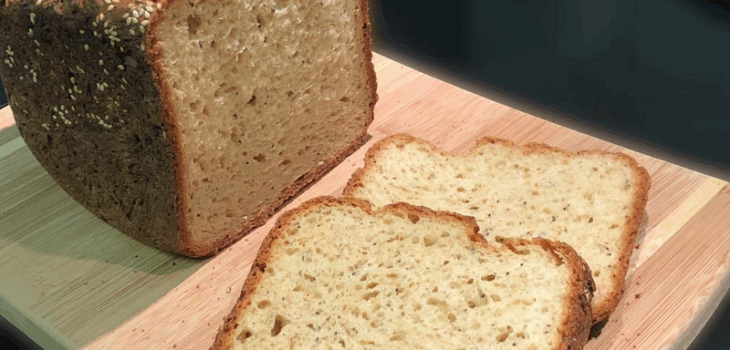
Not all gluten free breads taste alike. Some are dense, others airy or crumbly. The best ones balance moisture with a soft interior and slightly crisp crust. If a loaf tastes chalky or falls apart easily, it’s likely made with too much starch and not enough structural ingredients.
Knife and Fork Bakery focuses on developing recipes that create a satisfying bite and natural flavor. Their artisan techniques ensure each loaf feels fresh, tender, and authentic closer to traditional bread than most competitors.
Popular Types of Gluten Free Flours and Their Benefits
Understanding gluten free flours helps consumers choose bread that aligns with their health goals and flavor preferences.
Rice Flour
Rice flour offers a mild taste and light texture, making it a common base in gluten free bread. However, on its own, it can lead to a dry loaf, so it’s often blended with other flours.
Almond Flour
Rich in protein and healthy fats, almond flour gives bread a nutty flavor and moist crumb. It’s ideal for low-carb or keto diets.
Sorghum Flour
Sorghum adds a slightly sweet, wholesome taste and contributes to a more balanced nutritional profile. It’s high in antioxidants and fiber.
Buckwheat Flour
Despite its name, buckwheat is gluten free. It gives bread an earthy flavor and darker color, often used to enhance richness.
Tapioca and Potato Starches
These starches provide stretchiness and volume, mimicking the role of gluten. They work best when combined with whole-grain flours for better nutrition.
Comparing Store-Bought vs. Freshly Baked Gluten Free Bread
Shelf Life and Freshness
Store-bought gluten free bread often contains preservatives to extend shelf life, which can affect taste and texture. In contrast, freshly baked loaves from Knife and Fork Bakery are made in small batches to ensure maximum freshness and softness.
Price and Quality
While store brands may be cheaper, they often compromise on ingredients. Artisan gluten free bakeries use higher-quality flours and natural ingredients, resulting in superior flavor and texture.
Customization Options
When buying from a local bakery, customers can request specific preferences, such as reduced sugar, seed toppings, or extra softnesss omething packaged brands can’t match.
Key Features to Look for in the Best Gluten Free Bread
Soft Interior with Light Crust
A perfect gluten free loaf should be tender inside without feeling gummy.
Balanced Flavor
Good gluten free bread shouldn’t taste overly sweet or bland. It should have a balanced, natural flavor that complements any meal.
High Nutritional Value
Choose bread rich in fiber, protein, and essential nutrients. Whole-grain blends and seeds add both flavor and health benefits.
Easy to Toast and Store
The best gluten free bread maintains its quality after toasting or refrigeration. Knife and Fork Bakery’s loaves are designed to stay soft and flavorful even after freezing.
Tips for Enjoying Gluten Free Bread
Storage Suggestions
Keep bread in a cool, dry place and refrigerate or freeze it if not consumed within a few days. Slicing before freezing makes it easier to toast only what’s needed.
Toasting for Better Texture
Lightly toasting gluten free bread enhances its flavor and brings back its original softness.
Pairing Ideas
Gluten free bread pairs beautifully with spreads, avocado, nut butters, or soups. Knife and Fork Bakery’s loaves are versatile for breakfast, lunch, or snacks.
Common Mistakes to Avoid
-
Choosing based only on price: Lower-cost options often sacrifice quality.
-
Ignoring freshness: Stale bread can distort your opinion of gluten free quality.
-
Skipping ingredient checks: Some brands sneak in hidden gluten or excess sugars.
-
Expecting it to taste identical to wheat bread: While premium bakeries come close, gluten free bread has its own unique character.
Why Knife and Fork Bakery Leads in Gluten Free Baking?
Knife and Fork Bakery takes gluten free baking to the next level. Their breads are made using artisan techniques and premium ingredients that enhance both taste and texture. Each loaf is crafted for freshness, nutrition, and satisfaction.
Their bakers understand that gluten free doesn’t have to mean compromise. Through years of refining recipes, they’ve created options that rival traditional breads in quality and flavor. Whether customers prefer hearty whole-grain blends or soft sandwich loaves, Knife and Fork Bakery ensures excellence in every bite.
How to Incorporate Gluten Free Bread into a Balanced Diet?
A balanced diet benefits from variety. Incorporating gluten free bread allows individuals to enjoy classic meals like sandwiches and toast without gluten-related issues.
Breakfast Ideas
Enjoy slices with eggs, fruit spreads, or almond butter for a nutrient-rich start to the day.
Lunch Options
Use gluten free bread to craft wraps, paninis, or veggie sandwiches that provide both taste and nourishment.
Dinner Companions
Pair with soups, salads, or grilled dishes for a wholesome meal addition.
By choosing nutritious options like those from Knife and Fork Bakery, individuals can maintain a healthy and fulfilling diet without giving up their love for bread.
Final Thoughts
In conclusion, selecting the Best Gluten Free Bread involves understanding ingredients, nutritional value, and personal taste. Knife and Fork Bakery demonstrates that gluten free bread can be both delicious and wholesome when crafted with care and quality.
From texture to flavor, their loaves show that gluten free baking has evolved beyond compromise. With a thoughtful approach, anyone can find a bread that meets their health needs and satisfies their palate.
Ultimately, those who choose wisely can enjoy the simple pleasure of great bread just gluten free.
Here,you can read more blog’s.