 Fashion
The Least Painful Places for Small Tattoos: Know the Best Spots
- by donald
Thinking about getting your first tattoo but are still afraid of being in pain. Most people start with small tattoos for exactly that reason – they’re quick, minimal, and less intimidating than full-sleeve designs. But upon which part of your body does it pain least?? And does size really make a difference? Let’s break it all down so you can walk into that tattoo studio confident and ready.
The Truth About Tattoo Pain
Some spots are universally accepted to be less painful when it comes to tattoos. Areas with thicker skin, more muscle tend to absorb the sensation better. On the flip side, spots near bones or with thin skin can sting more than you expect.
Before we jump into the best low-pain areas, here’s a quick reality check:
- Every person’s pain tolerance is different.
- The artist’s technique, needle type, and duration also play a role.
- Hydration, rest, and mindset can surprisingly make a big difference.
Least Painful Places to Get a Small Tattoo
1. Outer Shoulder
A classic choice and one of the most comfortable spots to ink. The outer shoulder has fewer nerve endings and a good layer of muscle hence the pain is mild to moderate. One can also conceal it beneath clothing making it a professional choice.
2. Outer Arm (Bicep Area)
The outer arm has thicker skin and less bone exposure, so most people describe the sensation as a light scratch rather than pain.
3. Calf
The calf is nearly the least painful to have tattoos because it cushions the skin. It also makes a wonderful canvas for small details, geometric designs or even subtle floral work.
4. Thigh (Upper or Outer)
The thigh is another good spot with plenty of muscle and flesh. Pain levels are generally low, though the inner thigh can be more sensitive, so stick to the outer side if you’re nervous.
5. Forearm
Forearms strike the perfect balance: low pain, easy to access, and a versatile area for both tiny tattoos and future expansions. Many first-timers in India choose this spot for its visibility without extreme discomfort.
Areas That Tend to Hurt More
To make an informed decision, it helps to know which areas you might want to avoid if you’re pain-averse.
- Ribs and Spine: Minimal fat, lots of nerve endings, expect sharp sensations.
- Ankles and Feet: Thin skin and bones close to the surface make these areas tricky.
- Wrists and Hands: Very visible, yes, but also sensitive and prone to more healing irritation.
- Elbows and Knees: Hard surfaces plus thin skin equal higher pain levels.
If you’re just starting out, it’s best to avoid these zones until you’re more comfortable with the process.
How to Make Your First Tattoo Experience Easier
A few small things can go a long way in keeping pain minimal and ensuring a smooth session:
- Sleep well: Fatigue heightens pain sensitivity.
- Eat a proper meal: A full stomach stabilizes your blood sugar.
- Stay hydrated: Healthy skin accepts ink better and heals faster.
- Avoid alcohol or painkillers: These can thin your blood and make things messy.
- Communicate: Tell your artist if you need a break, professionals understand.
Remember, the pain usually peaks in the first few minutes, then settles into a tolerable rhythm.
Choosing the Right Design for a Low-Pain Area
When planning your piece, think about flow and comfort. Smaller spaces like wrists or ankles might limit creativity, while spots like the outer arm or thigh allow for a bit more artistic freedom.
Consider these simple yet timeless tattoo designs:
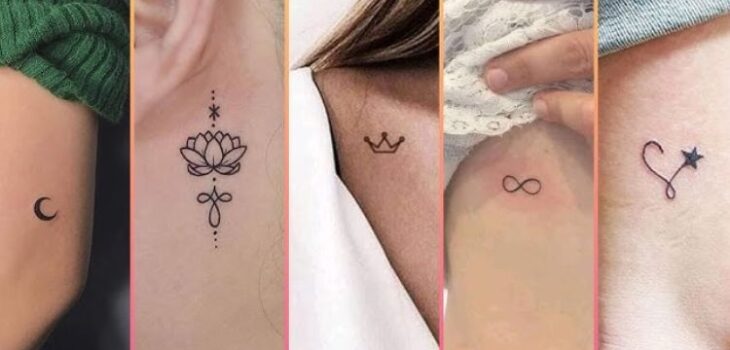
- Minimal line art or symbols
- Tiny mandalas or geometric shapes
- Small quotes or single words
- Floral outlines or mini portraits
Aftercare Matters
Even the least painful tattoo can turn uncomfortable if it’s not cared for properly. Follow these basics:
- Keep it clean and avoid submerging it in water for a few days.
- Use fragrance-free ointment recommended by your artist.
- Avoid tight clothing and direct sunlight on the area.
- Don’t scratch or peel flaking skin.
Healing typically takes 2–3 weeks for small tattoos, and proper aftercare ensures crisp lines and vibrant colour.
The Bottom Line
Getting your first tattoo is exciting, not terrifying. Once you understand where it hurts the least, you can make a smart, confident choice about placement. Stick to fleshy, padded areas, follow aftercare properly, and you’ll barely remember the pain.
FAQs
1. Do tattoos hurt more in Indian weather?
Not really, but the humidity can affect healing. Keep the area clean and dry, and avoid sweating excessively for the first week.
2. Can numbing creams help?
Yes, but always consult your artist first. Some prefer working without them as they can slightly affect skin texture.
3. Is getting inked safe for all skin tones?
Absolutely. Professional artists in India now use pigments that suit all skin types. Just ensure your studio is hygienic and certified.
4. What’s the ideal time to get tattooed?
Many people prefer cooler months, like October to February, since you sweat less and healing is easier.
5. How much will a small tattoo cost in India?
Depending on the studio and city, prices usually start around ₹1,000–₹3,000 for small designs. Always check for hygiene and experience rather than chasing the lowest rate.