 Technology
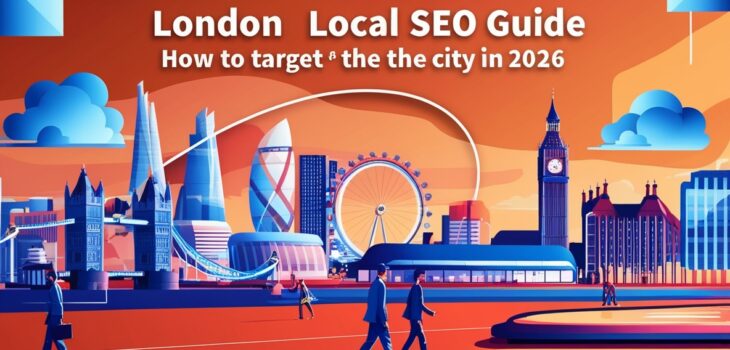
London Local SEO Guide: How To Target The City In 2026
If you want to dominate search results in one of the world’s most competitive markets, you need a clear London-focused local SEO strategy. London is unlike any other city in the UK dense, diverse, fast-moving, and filled with businesses all fighting for the same search engine real estate. By 2026, Google continues to refine how it understands local intent, user behaviour, and city-level search patterns. That means companies across London must update their approach if they want to rank above local competitors, attract nearby customers, and turn search visibility into revenue.
This guide will walk you through how to target the London market in 2026, from understanding neighbourhood-level search behaviour to optimising content, building hyperlocal authority, and staying ahead of Google’s evolving local ranking signals.
Why Local SEO Matters Even More in London
Local SEO has always been important, but London magnifies that relevance. The city’s vast population, heavy foot traffic, and neighbourhood-specific culture make location-based searches incredibly common. People rarely search for “restaurants in London.” They search for:
-
best coffee shop near Shoreditch
-
hairdresser in Notting Hill
-
dentist near Liverpool Street
-
24-hour locksmith South London
By 2026, mobile searches dominate even more, and Google continues prioritising results based on hyperlocal proximity, real-time intent, and neighbourhood relevance. If your business isn’t optimised for the exact areas you serve, you’ll lose visibility to competitors who are.
1. Start With True Hyperlocal Targeting
London isn’t a single search market—it’s a collection of micro-markets. Ranking for “London” is impressive, but ranking for your specific borough, neighbourhood, or street is what actually brings conversions.
Target Areas Like:
-
Boroughs (e.g., Camden, Hackney, Lambeth)
-
Districts (e.g., Islington, Battersea, Kensington)
-
Micro-neighbourhoods (e.g., Angel, Soho, Clapham Junction)
-
Landmark zones (e.g., near Tower Bridge, around King’s Cross)
Google has become extremely sophisticated in recognising micro-regions. In 2026, your strategy must reflect that.
Action steps:
-
Identify the exact areas where most of your customers come from.
-
Optimize content for those locations.
-
Create separate landing pages for each priority neighbourhood.
-
Use natural local language—not stuffing keywords, but integrating local detail.
Hyperlocal pages often outperform broad “London” pages because they match user intent more closely.
2. Optimise Google Business Profile (GBP) for the London Market
In 2026, Google Business Profile remains the most critical tool for local ranking in London. With increased competition, maintaining an optimized GBP can make or break your local presence. Many companies that invest in the best SEO services in London see major improvements in GBP visibility because experts know how to maximise Google’s local features.
Key optimisation steps:
Complete every detail.
London customers want quick, accurate information. Add your full address, service areas, business hours, holiday hours, contact numbers, attributes, and detailed descriptions.
Use London-specific keywords naturally.
Phrases like “Shoreditch cafe,” “Clapham personal trainer,” or “Notting Hill estate agency” help Google understand your service area.
Add real, high-quality photos.
Londoners rely heavily on visuals before choosing places to visit. Upload interior shots, exterior signage (important for London’s tricky streets), and team photos.
Post weekly.
Regular posts keep the profile active and help Google trust your business. Share offers, updates, events, and behind-the-scenes content.
Collect and respond to reviews.
Reviews matter even more in London due to the high density of competition. Aim for a steady stream of genuine reviews. Respond politely and promptly to build credibility.
3. Create Location-Rich Landing Pages That Feel Real
Many London businesses still create generic location pages that aren’t helpful. In 2026, Google rewards pages with authentic local signals—details that show you genuinely operate in that area.
Strong London location pages include:
-
A clear headline targeting the neighbourhood
-
Real photos of your London site or projects
-
Local service details adapted for the area
-
References to nearby landmarks or transport links
-
Customer reviews from local clients
-
Embedded Google Maps location
-
Schema markup with accurate business data
Avoid thin content. Your aim is to produce a page that would genuinely help someone living in that area make a decision.
4. Understand London Search Behaviour in 2026
Search behaviour in London is shaped by busy lifestyles, public transport, tourism, and neighbourhood identity. When people search, they want fast answers and local relevance.
Current trends include:
Mobile-first searches.
Over 80% of local searches in London now happen on mobile devices. Your site must load quickly, display clearly, and offer click-ready actions like call buttons.
Near-me intent.
“Near me” searches continue to rise—Google now interprets them based on precise GPS and user behaviour.
Voice search growth.
With commuters relying on voice assistants, optimise for natural, spoken queries such as “Where can I find a vegan brunch near Kings Cross?”
Transport-based behaviour.
Many London searches are influenced by tube stations and transport hubs. Keywords like “near Oxford Circus Station” or “close to Victoria Station” convert strongly.
Businesses that speak to these patterns tend to outrank those that don’t.
5. Build Local Authority With London-Based Backlinks
Local backlinks remain a top ranking factor, and in London’s competitive environment, they’re essential. Google sees backlinks from respected London sources as proof of your relevance to the city.
High-value link opportunities:
-
London business directories
-
Borough and community websites
-
Local newspapers and magazines
-
London bloggers and influencers
-
Event partnerships
-
London charities and fundraising pages
When you support or participate in local events—street festivals, charity runs, neighbourhood markets—you often earn natural citations and local mentions that boost rankings.
6. Use London-Centric Content Marketing
General content might attract traffic, but London-specific content attracts the right traffic.
Content ideas that work well:
-
Guides for neighbourhoods (e.g., “Best Places to Eat in Camden Market”)
-
London industry trends
-
Local case studies with actual London clients
-
Articles about challenges unique to the city
-
Stories showcasing your involvement in the community
The more your site looks and feels like a London resource, the more Google trusts it as a local authority.
7. Focus on Local User Experience and Accessibility
London’s diversity means your website must cater to a wide range of visitors. A good local user experience helps both conversions and rankings.
Important UX elements:
-
Fast-loading mobile pages
-
Clear contact details and directions
-
Accessible design for users with disabilities
-
Easy navigation
-
Prominent calls to action
-
Multilingual options if your audience requires it
Google recognises strong user experience signals and rewards sites that meet the needs of London’s varied population.
8. Properly Use Structured Data for London Local SEO
Structured data (schema) makes your local information machine-readable. Google relies on it for rich results, map visibility, and accurate business details.
Examples of helpful schema:
-
Local Business schema
-
Service Area schema
-
Review schema
-
FAQ schema
-
Event schema (useful for London events)
-
Opening Hours and Holiday Hours markup
In 2026, Google pulls more local signals from structured data, so implementing it correctly improves your chances of appearing in top positions.
9. Target London’s “Micro-Moments”
London is a city of fast decisions. People search in micro-moments—instant needs where users expect immediate answers.
Examples include:
-
Need a coffee near King’s Cross
-
Dry cleaner open now
-
Emergency plumber in West London
-
Book a table tonight in Soho
To win micro-moments:
-
Make sure your GBP hours are accurate.
-
Add “open now,” “24 hours,” or “same-day service” where relevant.
-
Use clear local keywords: “open late in Shoreditch,” “emergency locksmith London Bridge,” etc.
Micro-moment optimisation can dramatically increase conversions for London businesses.
Also Read:- Leading SEO companies for UK local and national markets 2026
10. Build Location Consistency Across All Platforms
Local search rankings depend on consistent Name, Address, and Phone number (NAP) across the web. In London, where many streets have similar names and businesses often move locations, consistency is even more critical.
Check details across:
-
Google Business Profile
-
Bing Places
-
Apple Business Connect
-
Local directories
-
Social media profiles
-
Industry listings
-
Review platforms
Even small discrepancies can affect rankings, especially in crowded London SERPs.
11. Update Content for 2026 Google Algorithms
Google keeps refining how it evaluates local businesses. In 2026, several factors matter more than they used to:
Real-world activity signals
If people in London visit your location, call your number, request directions, or interact with your profile, Google sees signs of trust.
Content helpfulness
Thin location pages don’t rank anymore. Google rewards detailed, experience-based, and human content.
Local intent verification
Google checks whether you genuinely operate in the area. Photos, reviews, citations, and local interactions all support your legitimacy.
12. Use Reviews as a Local Ranking Weapon
London customers are vocal. They leave many reviews—positive and negative—and Google uses them as a major trust signal.
How to leverage reviews:
-
Ask every satisfied customer for feedback.
-
Highlight location-specific reviews on your site.
-
Reply to reviewers using natural, friendly language.
-
Address negative reviews calmly and professionally.
The more recent, relevant, and detailed your reviews are, the better your profile performs.
13. Don’t Ignore London’s Competitive Landscape
London has thousands of businesses in nearly every category. To rank here, you need more than basic SEO—you need a strategy tailored to your exact area, audience, and competition.
Assess competitors by:
-
Their content quality
-
Their review profile
-
Their backlink strength
-
Their neighbourhood targeting
-
Their brand visibility
A thorough competitor analysis helps you find gaps in their approach and opportunities for your business.
14. Keep Testing, Measuring, and Updating
Local SEO in London isn’t set-and-forget. The city evolves quickly, and your SEO must adapt.
Track:
-
Local keyword rankings
-
GBP impressions and actions
-
Website traffic from London areas
-
Call and direction requests
-
Review trends
-
Conversion rates
Then refine your strategy based on real performance data.
Conclusion: Winning London Local SEO in 2026
Ranking well in London requires more than a general SEO strategy. You need deep knowledge of the city, strong neighbourhood targeting, and a commitment to ongoing optimisation. When you combine hyperlocal content, a powerful Google Business Profile, real London backlinks, and an understanding of how people search in this city, you build a long-term foundation for visibility and growth.
London rewards businesses that show authenticity, relevance, and customer care. If you continually refine your local SEO efforts with those qualities in mind, 2026 can be the year you surpass competitors and become a recognised leader in your area.