 Health
What Causes Teeth Stains? How Do Professionals Address The Issue
- by Kevin Smith
Everyone dreams of a bright, confident smile, but teeth stains can get in the way more often than we realize. They don’t always appear overnight, sometimes they build up slowly, leaving a dull, yellowed look that affects your confidence. Stains can also show up suddenly after certain foods, drinks, or habits. Knowing why teeth discolor and how dental professionals tackle the problem is the key to taking control. A cleaner, whiter smile isn’t just cosmetic, it can boost confidence and make everyday interactions feel easier and more comfortable.
What Causes Teeth Stains
Teeth stains fall into two main categories: extrinsic and intrinsic. Extrinsic stains appear on the surface of the teeth and are often easier to remove, while intrinsic stains occur deeper in the enamel or dentin and may require more advanced treatments.
How Professionals Address Teeth Stains
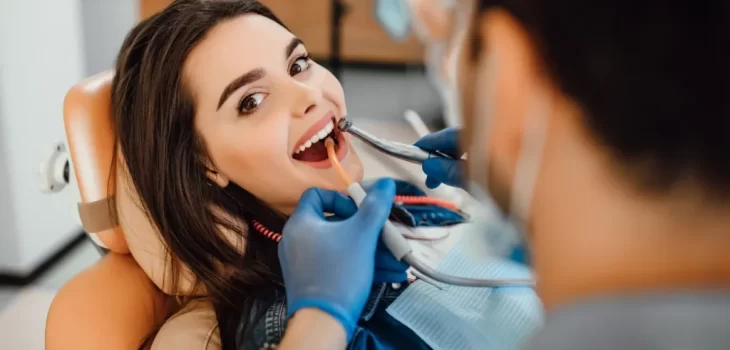
When it comes to dealing with stains, professional teeth stain removal care makes a significant difference. Dentists and dental hygienists have techniques and tools that go beyond what home brushing or over-the-counter products can achieve.
1. Assessment and Cleaning
The first step is a thorough dental examination. Professionals identify the type of stain, the extent, and the best approach for removal. This is followed by a professional cleaning, often called scale and polish, which removes plaque, tartar, and surface stains that regular brushing cannot reach.
2. Polishing and Stain Removal
After cleaning, the teeth are polished using special tools and pastes. This smooths the enamel and removes residual surface stains, leaving the teeth looking brighter. For tougher extrinsic stains, techniques like air polishing can gently blast away discoloration without harming enamel.
3. Whitening Treatments
For deeper stains or intrinsic discoloration, professional whitening may be recommended. Dentists use stronger bleaching agents than home kits, often combined with protective measures to minimize sensitivity. Treatments can be done in the clinic for faster results or with custom take-home trays.
4. Other Cosmetic Solutions
If stains are persistent or particularly noticeable, cosmetic options such as veneers or bonding may be considered. These procedures cover the natural tooth and provide a uniform, white appearance. They are especially useful for intrinsic stains that cannot be fully removed with whitening alone.
What Are The Type of Teeth Stains?
Extrinsic Stains
These are caused by external factors and usually affect the outer enamel layer. The most common culprits include:
- Food and Drinks: Coffee, tea, red wine, curry, and berries are known for staining teeth over time. Frequent exposure can leave a yellow or brown tint.
- Smoking and Tobacco Use: Nicotine and tar in cigarettes and other tobacco products cling to enamel and cause stubborn brown or yellow stains.
- Poor Oral Hygiene: Irregular brushing or flossing allows plaque and tartar to build up, which can trap stains and make them more noticeable.
Intrinsic Stains
These stains develop inside the tooth and are harder to remove with regular cleaning. Causes include:
- Medications: Certain antibiotics like tetracycline, taken during tooth development, can leave a permanent gray or brown discoloration.
- Fluoride Exposure: Excessive fluoride during childhood can cause white or brown mottling known as fluorosis.
- Trauma or Tooth Damage: A fall, hit, or other injury can darken a tooth over time, especially if the nerve is damaged.
- Aging: Over the years, the enamel thins, revealing more of the yellow dentin beneath.
Professional Devices Used for Stain Removal
In dental clinics, removing stains from teeth relies on professional tools designed to be safe and effective. The process usually begins with scaling instruments, which carefully remove plaque and tartar that can trap stains and dull the teeth’s appearance.
Once the buildup is cleared, polishing tools are used to smooth the enamel and remove any remaining surface marks, giving teeth a brighter, cleaner look. In some cases, a mild abrasive paste is applied to enhance the effect, helping to gently lift stubborn stains without damaging the enamel.
These devices allow dentists to work precisely, treating each tooth thoroughly and evenly. By combining scaling, polishing, and professional paste, dental professionals can restore natural brightness and maintain enamel health, creating a noticeable improvement in overall smile appearance.
Preventing Future Stains
Once your teeth are clean and bright, maintaining them requires consistent care. Professionals often recommend:
- Brushing twice daily with a fluoride toothpaste.
- Flossing to remove plaque between teeth.
- Limiting stain-causing foods and drinks or rinsing after consumption.
- Regular dental check-ups and professional cleanings to keep enamel healthy.
Simple changes like drinking coffee through a straw or quitting smoking can also have a noticeable impact on keeping stains at bay.
Conclusion
Teeth stains are a common concern, but understanding the causes and professional solutions makes them manageable. Surface stains from food, drinks, and habits can often be removed with cleaning and polishing, while deeper discoloration may require whitening or cosmetic procedures. Professionals tailor treatments to each individual, ensuring a safe and effective approach. By combining professional care with good daily habits, it’s possible to maintain a bright, confident smile for years to come.