 Burgers
E-Waste EPR: Understanding EPR Credits and CPCB Compliance in India
- by smanik@5434
With the rapid growth of electronic devices, India is facing a serious challenge in managing electronic waste. Old computers, mobile phones, batteries, televisions, and other electronic products are being discarded at an alarming rate. To address this issue, the Indian government introduced E-Waste EPR (Extended Producer Responsibility) under the guidelines of the CPCB (Central Pollution Control Board). This system ensures responsible collection, recycling, and disposal of electronic waste while promoting environmental sustainability.
What Is E-Waste EPR?
E-Waste EPR stands for Extended Producer Responsibility for electronic waste. It is a policy framework that makes manufacturers, producers, importers, and brand owners responsible for managing the e-waste generated from their products after the end of their life cycle.
Under EPR, companies must ensure that their electronic products are collected, recycled, or disposed of through authorized recyclers. This approach reduces environmental pollution and promotes sustainable waste management practices.
Role of CPCB in EPR for E-Waste
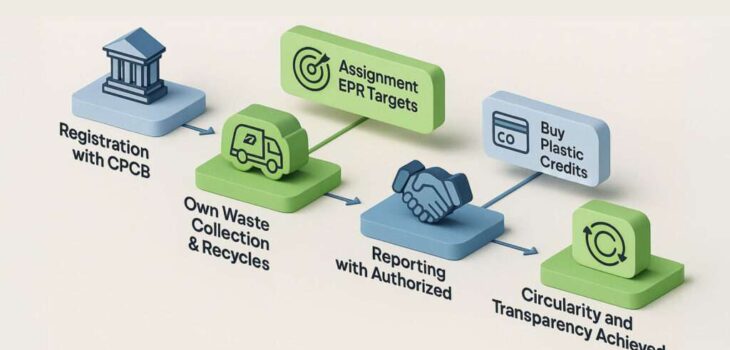
The CPCB (Central Pollution Control Board) is the regulatory authority responsible for implementing and monitoring EPR CPCB e-waste guidelines in India. CPCB registers producers, recyclers, and dismantlers and ensures compliance with e-waste management rules.
All eligible entities must obtain EPR authorization from CPCB before selling or importing electronic products in India. CPCB also tracks e-waste recycling targets and ensures that companies meet their annual obligations.
Understanding EPR Credits
EPR credits are an important part of the e-waste compliance system. These credits represent the amount of e-waste that has been properly collected and recycled through authorized recyclers.
When a registered recycler processes a certain quantity of e-waste, EPR credits are generated. These credits can then be transferred to producers or brands to help them meet their EPR targets. This system creates flexibility and encourages responsible recycling.
Why EPR Credits Are Important
EPR credits simplify compliance for companies that may not have their own collection or recycling infrastructure. Instead of managing the entire recycling process, producers can purchase EPR credits from authorized recyclers.
This ensures that e-waste is recycled in an environmentally sound manner while allowing businesses to remain compliant with EPR CPCB e-waste regulations. EPR credits also promote transparency and accountability in the recycling ecosystem.
E-Waste Categories Covered Under EPR
E-waste EPR applies to a wide range of electronic and electrical equipment, including consumer electronics, IT and communication devices, electrical appliances, lighting equipment, and batteries.
Each category has specific recycling targets based on the quantity of products placed in the market. CPCB regularly updates guidelines to ensure proper tracking and compliance.
Benefits of E-Waste EPR Compliance
Environmental Protection
Proper recycling reduces soil, water, and air pollution caused by hazardous materials like lead, mercury, and cadmium found in electronic waste.
Legal Compliance
EPR compliance helps businesses avoid penalties, legal notices, and business disruptions due to non-compliance with CPCB regulations.
Corporate Responsibility
By following EPR guidelines, companies demonstrate their commitment to sustainability and environmental responsibility, enhancing brand reputation.
Challenges in E-Waste EPR Implementation
Despite clear guidelines, many organizations struggle with understanding compliance requirements, documentation, and annual reporting. Limited awareness, unorganized recycling sectors, and lack of collection systems remain key challenges.
However, the introduction of EPR credits and online CPCB portals has simplified tracking and compliance for many businesses.
Future of E-Waste EPR in India
The Indian government is continuously strengthening EPR CPCB e-waste regulations to improve recycling rates and reduce illegal disposal. Digital monitoring, stricter targets, and increased accountability are shaping the future of e-waste management.
With growing environmental awareness, EPR is expected to play a crucial role in building a circular economy where electronic products are recycled and reused responsibly.
Conclusion
E-Waste EPR is a critical initiative aimed at managing India’s growing electronic waste problem. Through CPCB regulations, EPR credits, and authorized recycling systems, businesses are encouraged to take responsibility for their products beyond their usage life.
Understanding EPR credits and EPR CPCB e-waste compliance is essential for manufacturers, importers, and brand owners operating in India. By following EPR guidelines, companies not only meet legal requirements but also contribute to environmental protection and sustainable development.