 Health
Why Do People Switch to a Facial Cleanser Brush After Breakouts?
- by Kevin Smith
Breakouts can feel confusing when you already wash your face every day. You follow a routine, use a cleanser, and try to keep your skin clean, yet clogged pores and uneven texture still appear. This often leads to the belief that stronger products are needed, when the real issue may lie in how the skin is being cleansed.
Throughout the day, your face collects oil, sweat, dust, and environmental buildup. Regular washing with hands may remove surface dirt but leave behind residue deep inside pores. Over time, this leftover buildup contributes to repeated breakouts and dull-looking skin.
This is why many people start rethinking the way they cleanse rather than what they apply afterwards.
Why a Facial cleanser brush changes the Way Skin Is Cleaned
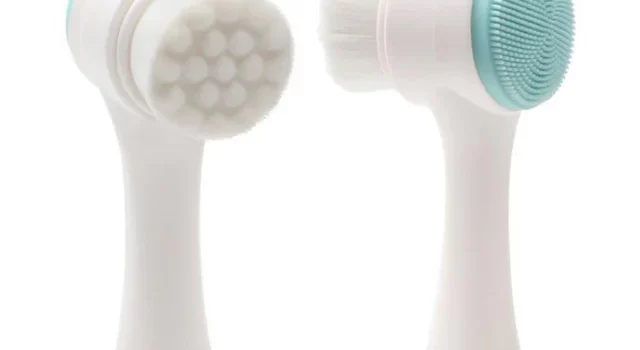
This is where a Facial cleanser brush begins to make a noticeable difference. Instead of relying only on fingers, the gentle movement of bristles or silicone tips helps dislodge dirt, oil, and dead skin more effectively. Areas around the nose, chin, and jawline, where buildup is common, get cleaned more thoroughly.
The improvement is not about being aggressive. It is about being consistent and even across the skin. When pores remain clearer, the chances of breakouts reduce naturally without adding harsh steps to the routine.
People often notice that their skin feels cleaner after the very first use.
The Limits of Manual Cleansing
Using your hands to wash your face works for removing visible dirt, but it often lacks the precision needed for deeper cleaning. Fingers cannot create the same uniform motion across the entire face. Some areas get more attention, while others are rushed through.
Dead skin cells, leftover sunscreen, and excess oil can remain even after rinsing. Over days and weeks, this buildup affects texture and blocks pores. Skin may start to feel rough or look tired despite daily care.
Improving the cleansing method helps solve this problem at its root.
Gentle Exfoliation Without Damaging the Skin
When breakouts occur, many people respond by scrubbing harder or using rough exfoliators. This can irritate the skin and weaken its protective barrier. Irritated skin often produces more oil, which worsens the problem.
A brush provides mild exfoliation through controlled movement rather than friction. This helps lift dead skin gently without causing redness or sensitivity. Over time, the skin feels smoother and looks more even without feeling stressed.
The key is gentleness combined with consistency.
How a Facial Cleanser Brush Helps Skincare Work Better
Once the skin is properly cleansed, everything applied afterwards performs more effectively. Serums and moisturisers absorb better because there is no layer of residue blocking them. This allows your existing routine to deliver better results without adding new products.
Using a Facial cleanser brush prepares the skin to receive hydration and nourishment properly. Many people find that they do not need to change their skincare products at all once cleansing improves.
Clean skin becomes the foundation for healthier-looking skin.
Reaching the Areas That Are Easy to Miss
Certain parts of the face, such as the sides of the nose, hairline, and under the chin, collect more oil and sweat but are often cleaned quickly. These neglected spots frequently become breakout zones.
A brush moves evenly across the entire face, ensuring these areas are cleaned properly. This balanced approach reduces patchy texture and uneven breakouts.
Attention to detail makes a visible difference over time.
Encouraging a More Consistent Routine
Using a tool often changes behaviour. People spend a little more time cleansing instead of rushing through it. This extra attention improves results without requiring extra effort.
The process feels more thorough and satisfying, making it easier to stick to a daily routine even after long days. Consistency plays a bigger role in skin improvement than intensity.
Small habits create lasting changes.
The Immediate Feeling That Builds Trust
One reason people continue this method is how their skin feels after each wash. It feels smoother, fresher, and more comfortable compared to manual cleansing. This immediate feedback builds confidence in the routine.
When you can feel the difference daily, you are more likely to continue the habit and see long-term improvements in breakouts and texture.
Clean skin should feel calm and refreshed, not tight or irritated.
Supporting Breakout-Prone Skin in a Smarter Way
Switching cleansing methods is often more effective than adding more products. A better approach to washing the face helps maintain clearer pores, smoother texture, and balanced skin without complicating the routine.
This simple change focuses on improving the foundation of skincare. When cleansing is done properly, many common skin concerns become easier to manage naturally.
Sometimes, better results come from doing the basics more effectively.
FAQs
1) Can a facial cleanser brush be used every day?
Yes, when used gently with light pressure, it can be part of a daily routine without irritating the skin.
2) Is it suitable for sensitive or acne-prone skin?
It can be helpful because it cleans effectively without harsh scrubbing, which often worsens sensitivity.
3) How long should cleansing with a brush take?
About one minute is enough to clean the entire face thoroughly without overdoing it.