 Home Improvement
Key Things to Know Before Buying a Book Shelf for Daily Use
Before buying a book shelf for daily use, it is important to clearly understand how you plan to use it every day. Some homes need a book shelf mainly for storing books, notebooks, and magazines, while others use it to display décor items, photo frames, plants, or collectibles along with books. The number of items you already own and the items you may add in the future should guide your decision. A book shelf meant for heavy academic books will need stronger construction than one used mainly for décor. Thinking about your routine usage helps you avoid buying a shelf that looks good but fails to serve your real needs.
Choosing the Right Size for Your Space
Size plays a crucial role when selecting a book shelf for daily use. A shelf that is too large can make a room feel crowded, while a very small one may not provide enough storage. Measure the available floor area and wall height before making a decision. Also consider the room where the book shelf will be placed, such as the living room, bedroom, study, or even a hallway. Vertical book shelf designs are ideal for compact homes as they offer more storage without occupying much floor space. A well sized book shelf ensures easy access and smooth movement around the room.
Material Matters for Everyday Durability
Since a book shelf is used daily, the material should be durable and long lasting. Wooden shelves are known for their strength and classic appeal, making them suitable for regular use. Engineered wood shelves are lightweight and budget friendly while still offering decent durability for everyday storage. Metal framed shelves are sturdy and work well in modern or industrial style homes. The right material not only supports the weight of books but also ensures the book shelf stays stable over time. Choosing quality material helps reduce maintenance and increases the life of the furniture.
Shelf Depth and Load Capacity
Shelf depth is often overlooked but is very important for daily use. Books come in different sizes, and a shallow shelf may not hold larger books properly. A good book shelf should have enough depth to accommodate textbooks, novels, and files comfortably. Load capacity is equally important because books are heavy. Weak shelves may bend or sag over time if they are overloaded. Checking the thickness of shelves and overall construction helps ensure that the book shelf can handle daily use without losing its shape or strength.
Design That Matches Your Lifestyle
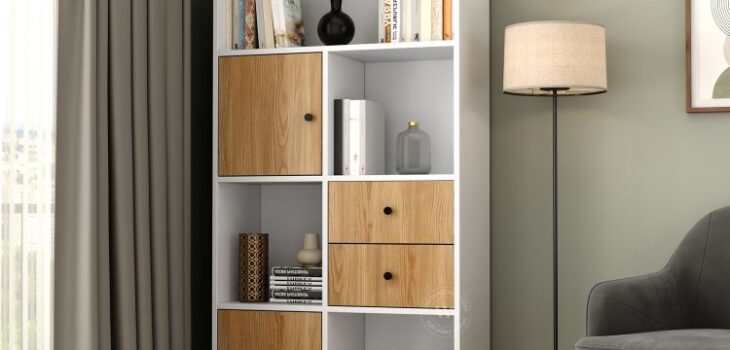
The design of a book shelf should match your lifestyle and home décor. Open shelves offer easy access and are great for people who use books frequently. Closed or partially closed designs help protect books from dust and are suitable for homes where maintenance time is limited. Adjustable shelves are a practical choice because they allow you to change spacing as your storage needs change. A well designed book shelf blends functionality with style, making it a useful and attractive part of your daily life.
Placement and Accessibility
Where you place your book shelf affects how convenient it is to use every day. A shelf placed near your reading corner or study area allows quick access to books. In living rooms, a book shelf can double as a display unit while still keeping books organized. Avoid placing shelves in areas exposed to direct sunlight or moisture, as this can damage books over time. Easy accessibility ensures that the book shelf encourages regular reading and organization rather than becoming an unused storage piece.
Maintenance and Ease of Cleaning
Daily use means the book shelf will require regular cleaning. Designs with too many corners or tight spaces can be difficult to clean. Smooth surfaces are easier to wipe and maintain. If the shelf is open, dusting may be needed more frequently, while closed designs reduce dust buildup. Choosing a finish that does not show stains or scratches easily can save time and effort. A low maintenance book shelf is ideal for busy households where convenience matters.
Safety and Stability Considerations
Safety is an important factor, especially in homes with children or pets. A stable book shelf should not wobble when loaded with books. Tall shelves should be placed against walls for added support. Rounded edges and well finished surfaces help reduce the risk of injuries during daily use. Paying attention to stability ensures that the book shelf remains safe and secure even with frequent handling of books.
Budget Planning Without Compromising Quality
While buying a book shelf, it is important to balance budget and quality. Cheaper options may look appealing but often lack durability for daily use. Investing in a well built book shelf saves money in the long run by reducing the need for frequent replacements. Compare materials, size, and build quality to find a shelf that offers good value. A practical approach to budgeting ensures you get a book shelf that meets your needs without unnecessary compromises.
Long Term Flexibility and Usage
A book shelf is not just a short term purchase. Over time, your collection may grow or your room layout may change. Choosing a versatile design that fits different rooms or purposes adds long term value. A flexible book shelf can be used as a storage unit, display shelf, or even a room divider in the future. Thinking ahead helps you select a book shelf that continues to be useful for years.
Final Thoughts on Choosing the Right Book Shelf
Buying a book shelf for daily use requires careful thought about size, material, design, and practicality. A well chosen book shelf keeps your books organized, supports daily routines, and enhances the look of your home. By focusing on durability, accessibility, and long term usability, you can make a smart choice that blends comfort and functionality. Taking time to understand these key factors ensures that your book shelf becomes a dependable and valuable part of everyday living.