 Business
Innovative Book Shelf Concepts for Contemporary Home Interiors
In contemporary home interiors, furniture is no longer chosen only for function. Every piece is expected to contribute to comfort, organization, and visual appeal. Among these essentials, the book shelf has evolved from a simple storage unit into a defining design element. Today, it reflects personal taste, lifestyle, and spatial intelligence. Whether placed in a living room, bedroom, study area, or hallway, a thoughtfully designed book shelf can shape the character of the entire space.
Modern homeowners seek furniture that adapts to changing needs. With compact apartments, open floor plans, and multifunctional rooms becoming common, the traditional bulky storage unit has given way to innovative, flexible solutions. A book shelf is now designed to optimize vertical space, complement minimalist interiors, and enhance overall room flow.
Wall Mounted Concepts for Minimalist Interiors
One of the most popular innovations in contemporary homes is the wall mounted book shelf. Floating shelves and modular wall units create a clean and uncluttered look while freeing up floor space. These designs are especially suitable for small apartments where every square foot matters.
A wall mounted book shelf can be arranged in geometric patterns or asymmetrical layouts to add visual interest. Instead of occupying an entire wall with heavy cabinetry, slim panels and open racks create an airy atmosphere. This approach not only enhances accessibility but also allows homeowners to experiment with styling. Books can be paired with decorative objects, plants, or artwork to create a balanced display.
Minimalist interiors benefit greatly from this concept. Neutral tones, sleek finishes, and concealed brackets give the appearance of floating storage. The result is a modern aesthetic that feels light yet functional.
Modular Designs for Flexible Living
Another innovative concept gaining attention is the modular book shelf. Modular systems allow users to customize the size, configuration, and placement based on their requirements. As families grow or living arrangements change, modules can be rearranged, expanded, or reduced.
This flexibility makes the modular book shelf ideal for contemporary homes that prioritize adaptability. In open living areas, modules can act as subtle dividers between spaces. For example, a semi open design can separate a dining area from a lounge while maintaining visual continuity.
Modular shelves also encourage creativity. Different shapes, heights, and finishes can be combined to create a unique arrangement. The emphasis is not only on storing books but also on designing a personalized feature wall that reflects individual style.
Multi Functional Storage Solutions
Modern interiors often demand furniture that serves more than one purpose. A book shelf can now integrate seating, desks, or concealed storage compartments. This innovation is particularly useful in compact homes where multifunctionality is essential.
For instance, a low height book shelf can double as a bench in a reading nook. In study rooms, shelves can be combined with a work desk to create a seamless workstation. In living areas, a tall unit may include hidden cabinets at the bottom for storing miscellaneous items, keeping the visible sections dedicated to books and decorative pieces.
Such designs ensure that space is used efficiently without compromising aesthetics. The emphasis is on maximizing usability while maintaining a sleek and contemporary appearance.
Open Back and Partition Concepts
Contemporary home interiors often feature open floor plans. In such layouts, a book shelf can function as a stylish partition. Open back designs allow light and air to pass through while subtly defining different zones within a room.
Unlike solid walls, an open book shelf maintains connectivity between spaces. It provides storage on both sides and serves as a visual anchor. This concept works beautifully in studio apartments where dividing the sleeping area from the living space is necessary.
Open partitions also encourage creative styling. Books arranged by color, height, or theme can create a visually appealing gradient effect. Decorative items placed strategically can add depth and dimension without overwhelming the design.
Vertical and Ladder Inspired Designs
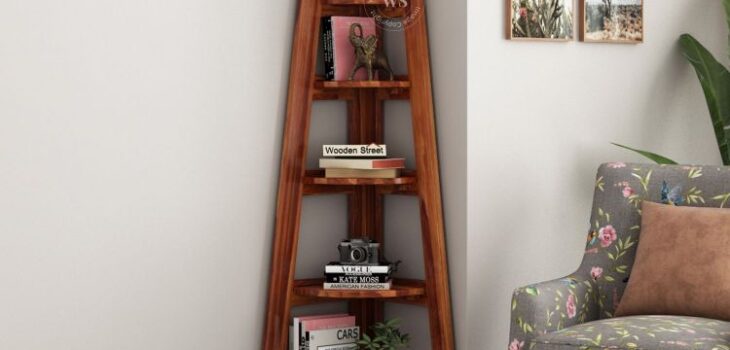
With urban homes becoming increasingly compact, vertical storage solutions are gaining importance. A tall and narrow book shelf that extends upward makes excellent use of unused wall height. Ladder inspired designs, leaning gently against the wall, add a modern and relaxed vibe to interiors.
These innovative concepts are especially popular in contemporary settings because they combine style with practicality. The slim structure occupies minimal floor area while offering multiple tiers for storage. Ladder style shelves are easy to relocate and integrate well with both modern and transitional interiors.
Vertical designs also draw the eye upward, creating the illusion of higher ceilings. This subtle trick enhances the sense of spaciousness in smaller rooms.
Integrated Lighting for Enhanced Display
Lighting plays a crucial role in contemporary interior design. Integrating subtle lighting within a book shelf transforms it from a simple storage unit into a statement feature. Soft lights installed under each shelf highlight book spines and decorative accents, adding warmth and sophistication.
This concept is particularly effective in living rooms and study areas. The illuminated shelves create a cozy ambiance, making the space inviting and visually dynamic. Lighting also enhances visibility, allowing easy access to books even in dim settings.
The combination of smart lighting and thoughtful placement elevates the functionality of a book shelf while contributing to the overall mood of the room.
Material Innovation and Sustainable Choices
Modern homeowners are increasingly conscious about materials and sustainability. Innovative book shelf concepts now incorporate engineered wood, metal frames, glass panels, and eco friendly finishes. The combination of materials adds texture and contrast to contemporary interiors.
Metal and wood combinations create an industrial feel, while glass panels contribute to a sleek and modern look. Sustainable materials align with environmentally responsible living without sacrificing durability or style.
Material innovation also allows for lightweight yet sturdy designs. This makes installation easier and expands the possibilities for creative configurations.
Personalized Styling for Contemporary Appeal
In contemporary interiors, personalization is key. A book shelf is no longer limited to storing books alone. It serves as a canvas for self expression. Homeowners use it to display travel souvenirs, framed photographs, art pieces, and indoor plants alongside books.
Styling techniques such as mixing horizontal and vertical stacks, leaving negative space between objects, and grouping items in odd numbers add visual harmony. The arrangement can be changed seasonally or according to evolving tastes, keeping the interior fresh and dynamic.
The innovative approach lies not only in structure but also in presentation. A thoughtfully styled book shelf becomes a focal point that tells a story about the people living in the home.
Embracing Innovation for Modern Living
Innovative book shelf concepts for contemporary home interiors demonstrate how traditional furniture can evolve with changing lifestyles. From modular systems and wall mounted designs to multifunctional units and integrated lighting, these ideas reflect the priorities of modern living.
The contemporary home values efficiency, flexibility, and aesthetic harmony. A well designed book shelf embodies these qualities while offering practical storage solutions. By embracing innovation in form, material, and function, homeowners can transform simple shelving into a defining feature of their interiors.
Ultimately, the right book shelf does more than organize books. It enhances spatial flow, adds character, and supports the evolving needs of contemporary life.