 Uncategorized
Baby Changing Station Sign: Importance, Uses, and Best Practices
- by alex511
Public facilities, businesses, and institutions are constantly working to provide safe, comfortable, and family-friendly spaces. Among the most appreciated amenities for parents and caregivers is the baby changing station. While the installation of these stations is crucial, the use of clear and visible baby changing station signs is equally important. These signs help families easily locate changing areas, provide clarity in public spaces, and demonstrate a commitment to accessibility and customer care.
What Is a Baby Changing Station Sign?
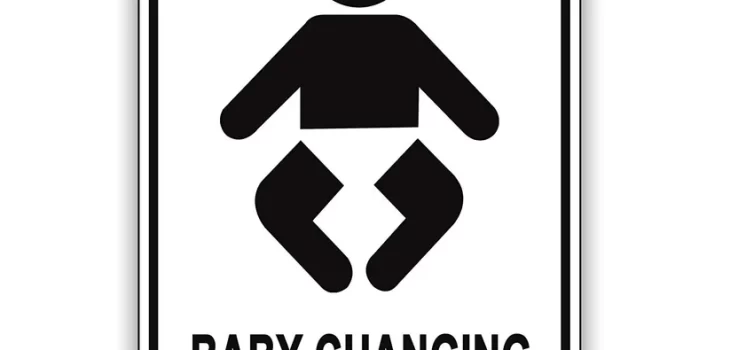
A baby changing station sign is a visual indicator that directs people to designated areas equipped with changing tables or facilities for infants. Typically mounted on restroom doors, walls, or hallways, these signs use universally recognized icons (such as a baby on a changing table) to ensure clarity regardless of language barriers.
Signs may also include text such as “Baby Changing Station Available” or “Changing Table Inside”. They are an essential part of wayfinding in public buildings and commercial establishments.
Why Are Baby Changing Station Signs Important?
1. Convenience for Parents and Caregivers
Parents and caregivers often need quick access to a clean and safe place to change their baby’s diaper. Clear signage eliminates confusion, saving time and reducing stress in busy or unfamiliar places like shopping malls, airports, or restaurants.
2. Inclusivity and Accessibility
Family-friendly spaces must accommodate everyone. Clear signs ensure that facilities are accessible to all visitors, including those who may not be familiar with the building layout. Offering well-marked baby changing stations communicates a message of inclusivity and care.
3. Improved Customer Experience
Businesses that provide clear, visible signage for baby changing stations show that they value families. This builds goodwill, encourages repeat visits, and creates a positive reputation for being family-friendly.
4. Compliance with Regulations
In many countries and states, building codes and public health regulations require baby changing facilities in certain public spaces. Proper signage not only ensures compliance but also reduces liability by making facilities easy to locate.
5. Wayfinding Efficiency
Just like restroom or wheelchair accessibility signs, baby changing station signs play a key role in wayfinding. They guide parents quickly to the right location, preventing unnecessary wandering or frustration.
Types of Baby Changing Station Signs
-
Standard Symbol Signs
-
Featuring the universal baby-changing icon.
-
Simple and effective, often mounted on restroom doors.
-
-
Text-Based Signs
-
Include wording like “Baby Changing Station” or “Changing Table Inside”.
-
Useful in places where clear language is needed in addition to symbols.
-
-
Directional Signs
-
Arrows pointing toward the location of the changing area.
-
Often used in larger facilities like malls, airports, or stadiums.
-
-
Custom Signs
-
Businesses may choose branded signs that match their décor while still featuring recognizable icons.
-
Best Practices for Baby Changing Station Signs
1. Visibility
Place signs at eye level and ensure they are visible from key points, such as entrances and hallways.
2. Consistency
Use consistent symbols and colors throughout the facility so that parents can easily follow the signage.
3. Universality
Incorporate globally recognized icons to overcome language barriers. The baby-on-changing-table symbol is widely understood.
4. Durability
Choose materials like aluminum, acrylic, or high-quality plastic to ensure the signs remain clear and professional over time.
5. Accessibility Compliance
Incorporate braille or tactile elements for visually impaired visitors if required by local regulations.
Where Baby Changing Station Signs Are Used
-
Restaurants and Cafés: To support family-friendly dining experiences.
-
Shopping Centers and Retail Stores: Large spaces where clear wayfinding is essential.
-
Airports and Train Stations: High-traffic public facilities with many travelers, including families.
-
Hospitals and Clinics: Healthcare spaces that must prioritize accessibility and comfort.
-
Event Venues: Stadiums, theaters, and convention centers benefit from clear signage for family visitors.
Benefits Beyond Convenience
-
Brand Reputation: Businesses that visibly cater to families gain trust and loyalty.
-
Reduced Staff Interruption: Clear signage reduces the number of customers asking staff for directions.
-
Community Impact: Family-friendly amenities reflect positively on cities and communities, making them more welcoming.
Conclusion
Baby changing station signs may seem like a small detail, but they play a significant role in creating accessible, family-friendly environments. They provide convenience for parents and caregivers, improve wayfinding, ensure compliance with regulations, and strengthen a business’s reputation.
Whether placed in restaurants, malls, hospitals, or public facilities, these signs signal that families are welcome and supported. By investing in clear, visible, and durable baby changing station signage, businesses and institutions demonstrate a commitment to inclusivity, safety, and customer care.