 Education
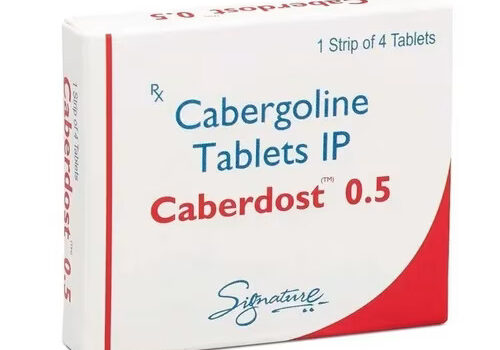
Caberdost 0.5 mg – An Effective Treatment for Pituitary Tumors
- by kami07bow
Pituitary tumors are minute tumors of the pituitary gland, which are usually benign but are potent in causing severe hormonal imbalance. Most common among them are prolactinomas or tumors secreting excess prolactin. In treating them effectively and specifically, Caberdost 0.5 mg, being a dopamine agonist, is the gold standard therapy.
This post discusses the use of Caberdost for treating pituitary tumors, including how it works, who should take it, how much to take, effectiveness, and safety.
What Are Pituitary Tumors?
The pituitary gland is at the base of the brain and regulates some very important hormones on growth, reproduction, and metabolism. Tumors in the gland—called pituitary adenomas—are either:
-
Functioning tumors: Produce excess hormones (e.g., prolactin, ACTH, growth hormone).
-
Non-functioning tumors: Do not secrete hormones but may cause pressure-related symptoms.
Common Symptoms:
-
Headaches
-
Vision problems (due to optic nerve compression)
-
Menstrual irregularities
-
Sexual dysfunction
-
Infertility
-
Galactorrhea (inappropriate milk production)
Of functioning tumors, prolactinomas are the most commonly diagnosed and are usually highly sensitive to medical management, especially Caberdost.
What Is a Prolactinoma?
A prolactinoma is a benign tumor of the pituitary gland that secretes excessive amounts of prolactin. Excess prolactin inhibits reproductive hormones like estrogen and testosterone, causing infertility, sexual dysfunction, and bone loss.
Normal Prolactin Levels:
-
Women: 4–25 ng/mL
-
Men: 4–15 ng/mL
In prolactinomas, these levels can rise 10–100 times above normal, depending on tumor size.
Introduction to Caberdost 0.5 mg
Caberdost 0.5 mg is a prescription drug with cabergoline, a dopamine agonist. Dopamine normally blocks the release of prolactin. Caberdost duplicates this function, thus being an excellent first-line therapy for prolactinomas and other prolactin-secreting pituitary tumors.
Why Is Caberdost Preferred?
-
High efficacy in reducing prolactin
-
Significant tumor shrinkage
-
Fewer side effects compared to bromocriptine
-
Weekly or twice-weekly dosing
-
Long half-life (approx. 65 hours)
How Caberdost 0.5 mg Works in Pituitary Tumor Management
Caberdost works by binding to dopamine D2 receptors on lactotroph cells in the anterior pituitary. This suppresses the production of prolactin, which leads to:
-
Reduced blood prolactin levels
-
Shrinkage of prolactin-secreting tumors
-
Restoration of normal reproductive function
-
Relief from symptoms like headaches and vision problems
In many cases, tumor size is reduced by 50% or more within 6 months of treatment.
Efficacy of Caberdost in Clinical Studies
Several clinical trials and real-world studies show that Caberdost is highly effective in the treatment of prolactinomas:
| Parameter | Response Rate |
|---|---|
| Normalization of prolactin | 85–90% |
| Tumor size reduction | 70–90% |
| Restoration of ovulation | 80% (in women) |
| Improved libido/testosterone | 75% (in men) |
Long-Term Tumor Control:
-
In many patients, Caberdost therapy leads to long-term remission.
-
Some can eventually discontinue medication after several years of normal prolactin levels and stable MRI results.
Recommended Dosage and Administration
Starting Dose:
-
0.25 mg twice weekly (e.g., Monday & Thursday)
-
Take with food to minimize nausea
Titration:
-
Increase by 0.25 mg every 4–6 weeks, if prolactin remains elevated
-
Typical maintenance dose: 0.5 to 1 mg/week
Maximum Weekly Dose:
-
Up to 3 mg/week under specialist supervision
Always follow your endocrinologist’s dosage plan and undergo regular monitoring.
Monitoring and Follow-up
Patients on Caberdost should undergo the following evaluations regularly:
| Test | Frequency |
|---|---|
| Serum Prolactin | Every 4–8 weeks |
| Pituitary MRI | At baseline, then every 6–12 months |
| Visual field tests | If tumor affects optic chiasm |
| Liver function tests | Periodically |
| Echocardiogram | Baseline and annually if high doses are used |
Who Should Use Caberdost?
Ideal Candidates:
-
Patients with microprolactinomas (<10 mm)
-
Patients with macroprolactinomas (≥10 mm)
-
Individuals with hyperprolactinemia-induced infertility
-
Patients with menstrual irregularities or galactorrhea
-
Males with hypogonadism caused by prolactin excess
Not Recommended For:
-
Patients with allergy to ergot derivatives
-
Those with uncontrolled hypertension or heart valve disease
-
Individuals with a history of fibrotic disorders
Always consult an endocrinologist before initiating therapy.
Side Effects of Caberdost
While generally well-tolerated, Caberdost may cause some side effects, particularly when first starting.
Common Side Effects:
-
Nausea
-
Headache
-
Dizziness
-
Constipation
-
Fatigue
Rare Side Effects:
-
Low blood pressure (orthostatic hypotension)
-
Mood changes or hallucinations (especially in high doses)
-
Pulmonary or cardiac fibrosis (long-term high doses)
Taking the tablet with meals and starting at low doses helps reduce side effects.
Caberdost vs. Bromocriptine
| Feature | Caberdost | Bromocriptine |
|---|---|---|
| Dosing frequency | 1–2 times/week | 2–3 times/day |
| Prolactin control | Rapid and effective | Slower |
| Side effects | Fewer and milder | More common (GI issues) |
| Tumor shrinkage | Significant | Moderate |
| Tolerability | High | Moderate |
Caberdost is more potent and better tolerated, making it the first-line choice for most patients with prolactin-secreting tumors.
Caberdost in Women Planning Pregnancy
Women of reproductive age on Caberdost often experience:
-
Resumption of regular periods
-
Restoration of ovulation
-
Increased chances of natural conception
Key Points:
-
Once pregnancy is confirmed, Caberdost is usually discontinued
-
If the tumor is large (macroadenoma), Caberdost may be continued under supervision to prevent regrowth
-
Studies show no increased risk of fetal abnormalities with early pregnancy exposure
Consult your fertility specialist or endocrinologist before stopping Caberdost.
Caberdost for Non-Tumor Hyperprolactinemia
In some patients, elevated prolactin occurs without a detectable tumor. Causes include:
-
PCOS
-
Hypothyroidism
-
Certain antidepressants or antipsychotics
-
Chest trauma or nipple stimulation
Caberdost is also effective in these cases by reducing prolactin and restoring hormone balance.
Tips for Patients on Caberdost
-
Take with food to reduce nausea
-
Do not miss doses—maintain consistency
-
Keep a symptom diary—track improvements
-
Attend all follow-up appointments for labs and MRIs
-
Notify your doctor if you experience chest pain, shortness of breath, or persistent cough
Frequently Asked Questions (FAQs)
1. Can Caberdost cure my pituitary tumor?
It often shrinks tumors significantly, but treatment is typically ongoing for several years. Some patients may stop after long-term remission.
2. Is it safe to take Caberdost long term?
Yes, under medical supervision. Periodic monitoring of heart valves and prolactin levels is essential.
3. Will I need surgery if I’m on Caberdost?
Most patients do not require surgery, as Caberdost effectively reduces tumor size and symptoms. Surgery is reserved for resistant cases or those causing severe neurological symptoms.
4. Can men take Caberdost for prolactinomas?
Absolutely. In men, Caberdost restores testosterone levels, improves libido, and reduces tumor size.
5. Is Caberdost available over the counter?
No, it is a prescription-only medication and should only be taken under a doctor’s supervision.
Final Thoughts: A Game-Changer in Pituitary Tumor Management
Caberdost 0.5 mg has been a game-changer in the management of prolactin-secreting pituitary tumors. It provides a non-surgical, effective, and well-tolerated treatment that not only manages symptoms but also enhances the overall quality of life.
Whether you’ve been recently diagnosed with a microadenoma or are dealing with an HGC-producing disorder macroprolactinoma, Caberdost—prescribed and properly monitored—can assist in restoring hormonal equilibrium, fertility, and overall well-being.