 Law
Law
Copyright Registration Attorney Checklist for Filing Without Mistakes
- by jaydenirish
Protecting original work is not just about creativity; it is about preparation, accuracy, and long-term thinking. Writers, artists, developers, educators, and content creators often assume that copyright protection is automatic and complete. While ownership begins at creation, registration is what turns that ownership into a powerful, enforceable right. Filing incorrectly can weaken protection, delay enforcement, or create confusion later. A clear checklist and structured approach help ensure that registration truly serves its purpose.
Understanding What Copyright Registration Really Accomplishes
Copyright registration is not simply an administrative formality. It creates an official public record that links a creator’s identity to a specific work at a specific point in time. This record becomes critical when ownership is questioned or when unauthorized use occurs.
Consider a songwriter who shares early drafts of lyrics with collaborators. Years later, a dispute arises about who contributed what. Registration clarifies ownership boundaries and establishes which version of the work is protected. Without this clarity, disagreements become harder to resolve and may rely on informal evidence such as emails or memories.
Another important function of registration is leverage. Registered works provide a stronger standing when requesting the removal of copied content or seeking compensation. This added weight often leads to quicker resolutions, sometimes without formal proceedings.
Preparing the Right Information Before Filing
Many registration problems start before the application is even submitted. Preparation involves gathering accurate details about the work, its creation, and its ownership structure. Rushing this stage increases the risk of errors that can be difficult to correct later.
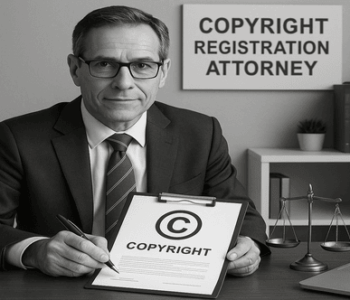
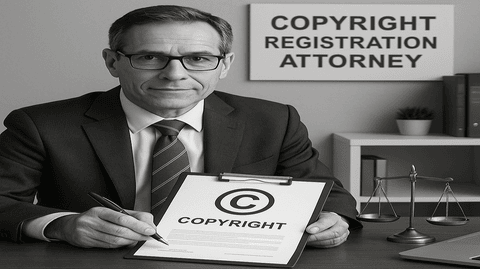
One common oversight involves authorship. If multiple people contributed, their roles must be identified correctly. For example, a designer and a copywriter working together on marketing material may not share equal ownership unless agreed otherwise. A copyright registration attorney helps clarify these distinctions before filing, preventing disputes among collaborators.
Another preparation step involves identifying the correct version of the work. Registering a draft instead of the final version can limit protection. Creators should confirm that the submitted material reflects what they intend to protect and distribute. Treat this like labeling a storage box accurately; mislabeling creates confusion when retrieving what matters most.
Avoiding Common Filing Errors That Reduce Protection
Filing errors often occur when creators rely on assumptions or generic instructions. One frequent mistake is selecting the wrong category for the work. Misclassification can narrow protection or delay processing.
Another issue arises with incomplete or inconsistent information. Dates, titles, and ownership details must align across all sections of the application. Inconsistencies may trigger requests for clarification, slowing approval. Even small discrepancies can raise questions about credibility.
Timing is another critical factor. Registering too late may restrict available remedies if infringement occurs early. Legal guidance ensures that creators understand when to file based on publication plans, distribution methods, and exposure risk. A copyright registration attorney focuses on aligning timing with strategy rather than treating registration as an afterthought.
Using Registration as Part of a Long-Term Strategy
Copyright registration should support future goals, not just immediate protection. Many creators plan to license, sell, or expand their work over time. Registration choices made today affect flexibility tomorrow.
For instance, a course creator may later convert written materials into video content or translations. Understanding how derivatives work relates to original registration helps maintain consistent protection. Legal planning ensures that new versions build on existing rights rather than creating gaps.
Ownership changes are another long-term consideration. Works may be transferred, licensed, or inherited. Proper registration records simplify these transitions, reducing legal friction later. This foresight is especially important for creators building businesses around their work.
Turning Registration Into a Confidence-Building Tool
Beyond legal protection, registration builds confidence. Creators who know their work is properly registered are more willing to share, promote, and monetize it. They approach collaborations with clearer boundaries and stronger negotiating positions.
Registration also supports professional credibility. Publishers, platforms, and partners often view registered works as more reliable assets. This perception can influence opportunities and partnerships.
Approaching registration methodically transforms it from a stressful obligation into a strategic advantage. With accurate preparation, careful filing, and forward-looking planning, creators can protect their work effectively. Clear ownership, reduced risk, and long-term flexibility allow creativity to thrive without constant concern over misuse or misunderstanding.
When handled correctly, copyright registration becomes more than paperwork. It becomes a foundation for sustainable creative growth and lasting peace of mind.