 Health
Demystifying Titration: Why Mounjaro KwikPen 2.5 mg is the First Step in Diabetes Care
- by kami07bow
Introduction: Why Titration Matters in Diabetes Care
Prescribing a new drug for type 2 diabetes isn’t merely about the medication—it’s about how your body will adjust to it. With Mounjaro KwikPen 2.5 mg (tirzepatide), a potent dual GIP and GLP-1 receptor agonist, titration is key to guaranteeing safety, efficacy, and sustained success.
The Mounjaro KwikPen 2.5 mg dose is the essential first step in this journey. But why start low, and what can patients expect during this stage?
This blog breaks down the titration process, the science behind starting small, and how this dose sets the foundation for blood sugar control and weight management.
1. What is Titration in Diabetes Medication?
Titration is the step-by-step alteration of medication dosage in order to find the proper balance between safety and efficacy.
In diabetes care:
-
It ensures side effects are manageable.
-
It allows the body to adapt gradually.
-
It helps providers customize treatment for each patient.
Important Point: Without titration, intolerable side effects, lower adherence, and premature discontinuation pose increased risks to patients.
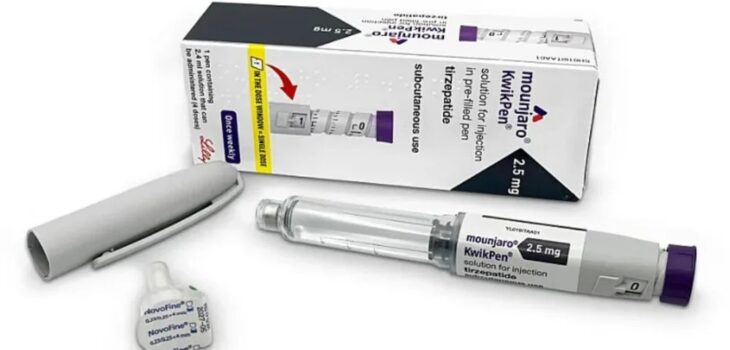
2. Introducing Mounjaro KwikPen 2.5 mg
The Mounjaro KwikPen 2.5 mg is the starting dose of tirzepatide. It’s not meant to provide full therapeutic benefits but instead:
-
Prepares your body for higher, more effective doses.
-
Minimizes gastrointestinal side effects.
-
Builds patient confidence in using the medication.
Think of it as a gentle onboarding phase for your diabetes management journey.
3. Why Mounjaro KwikPen 2.5 mg Comes First
Unlike other drugs where you can begin closer to a therapeutic dose, tirzepatide involves a low-dose initiation.
Reasons include:
-
Dual receptor activity (GLP-1 + GIP) can intensify side effects.
-
The starter dose reduces treatment dropouts.
-
It creates a predictable pathway toward higher efficacy.
Takeaway: This step isn’t about instant results—it’s about setting up long-term success.
4. The Science Behind Titration with Mounjaro
Tirzepatide mimics incretin hormones that:
-
Stimulate insulin when glucose is high.
-
Reduce glucagon secretion.
-
Slow gastric emptying.
-
Regulate appetite.
At higher doses, these effects are stronger. By starting at 2.5 mg:
-
The body gradually adjusts to changes in digestion and appetite.
-
Nausea and GI symptoms are significantly reduced.
5. How Long Do You Stay on Mounjaro KwikPen 2.5 mg?
-
Standard duration: 4 weeks.
-
Some patients may extend if side effects are bothersome.
-
After 4 weeks, most move up to 5 mg weekly.
Tip: Follow your provider’s schedule; don’t rush to increase your dose.
6. What to Expect in the First Month on 2.5 mg
Patients often wonder: “Will I see results on the starter dose?”
Realistically:
-
Blood sugar changes: Modest improvements, if any.
-
Weight changes: Some patients notice early appetite suppression.
-
Side effects: Mild nausea, fullness, or GI issues.
Mindset Shift: This month is about adaptation, not outcomes.
7. The Step-by-Step Titration Journey After 2.5 mg
Here’s the typical pathway:
-
2.5 mg (4 weeks) → Starter phase.
-
5 mg (minimum 4 weeks) → First therapeutic step.
-
7.5 mg, 10 mg, 12.5 mg, 15 mg → Optional escalations depending on tolerance and goals.
Each step is taken only if the previous one is well tolerated.
8. Comparing Titration with Mounjaro vs. Other GLP-1 Drugs
-
Ozempic (semaglutide): Also starts low (0.25 mg) before moving up.
-
Trulicity (dulaglutide): Starts at therapeutic levels, but with different tolerability.
-
Mounjaro: Unique due to its dual receptor action, which can increase side effects but also improve outcomes.
Key Difference: Mounjaro’s 2.5 mg dose is purely for acclimatization, not therapy.
9. Patient Profiles: Who Benefits Most from 2.5 mg Start?
-
Newly diagnosed type 2 diabetes patients who haven’t tried GLP-1 therapies.
-
Patients with GI sensitivity who need a gentle start.
-
Overweight or obese patients who want to build tolerance before weight loss intensifies.
-
Patients with comorbidities requiring a cautious entry.
10. Managing Side Effects at the 2.5 mg Dose
Even at the starter dose, mild side effects may occur:
-
Nausea
-
Constipation or diarrhea
-
Fatigue
-
Reduced appetite
Tips to Cope
-
Eat smaller meals.
-
Avoid greasy or spicy foods.
-
Stay hydrated.
-
Take injections on the same day each week.
Good News: Most side effects improve as your body adjusts.
11. The Role of Your Doctor During Titration
Your healthcare provider is essential in:
-
Deciding if you’re ready to increase doses.
-
Monitoring blood sugar levels and weight.
-
Addressing side effects early.
-
Ensuring titration fits your overall diabetes care plan.
Tip: Always track and share symptoms during check-ins.
12. Mounjaro KwikPen 2.5 mg and Blood Sugar Control
At this stage:
-
Blood sugar changes are usually small but noticeable in some patients.
-
It helps lay the groundwork for bigger improvements at higher doses.
-
Monitoring your A1C and daily glucose logs is important, even if results seem minor.
13. Mounjaro KwikPen 2.5 mg and Weight Management
-
Early satiety may kick in.
-
Some patients experience a small drop in weight within the first month.
-
Larger weight reductions happen after dose increases.
Key Mindset: Use this time to develop healthy eating habits that will maximize future weight loss.
14. Lifestyle Habits to Adopt During the 2.5 mg Phase
-
Hydration: At least 8 cups of water daily.
-
Nutrition: Balanced meals rich in fiber and lean proteins.
-
Movement: Gentle activity, like walking, to reduce nausea.
-
Tracking: Keep a log of side effects, meals, and energy levels.
15. Insurance and Access Considerations
-
Most insurance covers the starter dose as part of the titration process.
-
Patients may face prior authorizations or pharmacy shortages.
-
Savings programs from the manufacturer can help reduce costs.
16. Myths and Misconceptions About 2.5 mg
-
Myth: It’s too low to matter.
-
Truth: It matters for tolerance and adherence.
-
Myth: Skipping titration is faster.
-
Truth: It often increases side effects and dropouts.
-
Myth: Everyone can move up at the same pace.
-
Truth: Titration is individualized.
17. The Long-Term Payoff of Starting Low
By respecting the titration process, patients see:
-
Sustained blood sugar improvements.
-
Significant weight loss.
-
Better medication adherence.
-
Reduced long-term complications of diabetes.
FAQs on Mounjaro KwikPen 2.5 mg and Titration
1. Why do I need to start with Mounjaro KwikPen 2.5 mg?
To minimize side effects and allow your body to adapt before moving to effective therapeutic doses.
2. Will 2.5 mg lower my A1C?
Not significantly—it’s designed for tolerability, not long-term control.
3. Can I stay on 2.5 mg long-term?
No, it’s only a starter dose. Higher doses are needed for meaningful results.
4. How soon do I move to 5 mg?
Usually after 4 weeks, depending on your doctor’s assessment.
5. What if I can’t tolerate higher doses?
Your provider may keep you at a lower dose longer or adjust your treatment plan.
Conclusion: Trusting the Process
The Mounjaro KwikPen dose of 2.5 mg is far more than a “starter.” It’s a thoughtfully crafted step one in the titration process, allowing you to develop tolerance, reduce side effects, and set yourself up for therapeutic success.
By honoring the titration process and cooperating fully with your health care professional, you can take full advantage of the benefits of Mounjaro for blood glucose control, weight, and overall long-term diabetes well-being.
Last Takeaway: Getting better with Mounjaro isn’t a sprint—it’s a steady, supported journey that begins at 2.5 mg.