 Business
Elevate Everyday Cooking with Customized Modular Kitchen Design Concepts
A kitchen is no longer just a place to cook meals—it has evolved into the heart of modern homes, a space where design meets functionality and creativity blends with convenience. The concept of a modular kitchen design has revolutionized how we look at kitchen spaces, making them more efficient, stylish, and tailored to individual lifestyles. From layout and materials to colors and storage, every element in a modular kitchen contributes to making daily cooking an enjoyable experience rather than a routine chore.
Understanding the Essence of Modular Kitchen Design
A modular kitchen design is based on a systematic approach to organizing the cooking space into functional modules. These modules typically include cabinets, drawers, shelves, and specialized storage units designed to fit perfectly within the given kitchen area. Unlike traditional kitchens that rely on fixed carpentry, modular kitchens are pre-fabricated and assembled on-site, allowing for customization, flexibility, and ease of maintenance.
What sets modular kitchen design apart is its adaptability—it can cater to different home sizes, styles, and user needs. Whether it’s a compact apartment kitchen or a spacious open-plan cooking area, modular concepts allow homeowners to optimize every inch of space efficiently.
The Role of Customization in Modern Kitchen Spaces
Customization lies at the core of modular kitchen design. Every household has unique requirements based on cooking habits, available space, and aesthetic preferences. Through customized layouts, materials, and finishes, homeowners can create kitchens that reflect their personality while improving functionality.
For instance, someone who cooks elaborate meals may need extra countertop space and additional storage for utensils and ingredients, whereas a family that prefers minimal cooking may focus on sleek aesthetics and easy maintenance. The freedom to choose from different cabinet heights, countertop materials, and appliance placements ensures that every modular kitchen becomes a personalized culinary zone.
Smart Space Utilization for Compact Homes
Urban homes often struggle with limited space, making kitchen planning a crucial task. Modular kitchen design concepts solve this challenge through innovative space-saving solutions. Pull-out cabinets, corner units, and vertical storage help utilize every corner effectively. Wall-mounted racks, sliding shutters, and foldable elements further enhance functionality without overcrowding the kitchen area.
Compact kitchens can adopt designs like straight, L-shaped, or parallel layouts that balance style and practicality. Modular elements ensure a clutter-free appearance while providing ample room for movement and workflow. This thoughtful design approach transforms even the smallest kitchen into a highly efficient and aesthetically appealing space.
Materials and Finishes that Define Elegance
The beauty of modular kitchens lies in the vast selection of materials and finishes available. From glossy laminates to matte textures, and from wooden veneers to glass finishes, every choice contributes to the kitchen’s character. Durable materials like engineered wood, high-pressure laminates, and quartz countertops are preferred for their long-lasting performance and minimal upkeep.
Finishes can also be tailored to complement the overall home décor. Neutral shades create a sense of calm and openness, while bold tones add a touch of vibrancy and personality. The blend of texture, color, and light creates a visually appealing yet functional cooking environment that enhances the joy of daily meal preparation.
Integrating Technology into Modular Kitchen Design
Technology has become an integral part of modern living, and kitchens are no exception. Today’s modular kitchen design embraces smart features that make cooking more efficient and enjoyable. Built-in appliances, motion-sensor lights, and touch-to-open cabinets simplify tasks and reduce physical effort.
Additionally, modular kitchens can integrate advanced ventilation systems, induction cooktops, and space-saving appliances that align with modern lifestyles. The inclusion of technology not only enhances convenience but also supports energy efficiency, safety, and overall kitchen hygiene.
Creating a Harmonious Layout for Smooth Workflow
The effectiveness of any kitchen lies in its layout. Modular kitchen design is guided by the principle of the “work triangle,” which ensures smooth movement between the three main work zones—the cooktop, sink, and refrigerator. This design principle enhances efficiency and minimizes unnecessary steps while preparing meals.
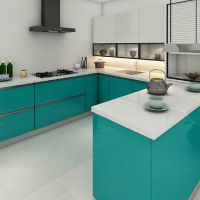
Layouts such as L-shaped, U-shaped, island, or parallel kitchens can be selected based on the available space and user preference. Each layout is designed to provide maximum comfort and accessibility. A well-planned layout also encourages better interaction among family members, turning the kitchen into a social hub rather than a secluded corner.
Lighting and Aesthetic Detailing
Lighting plays a vital role in elevating the overall ambience of a modular kitchen. Task lighting under cabinets, ambient lighting over countertops, and accent lighting on shelves not only enhance visibility but also create a warm, inviting atmosphere. When paired with reflective surfaces or glass finishes, proper lighting can make the kitchen appear more spacious and elegant.
Small details like cabinet handles, backsplash designs, and flooring materials add personality and charm. Modern homeowners often opt for minimalist designs with clean lines and soft tones, while some prefer vibrant themes that express creativity and energy. The right combination of lighting and detailing can transform a functional kitchen into a stunning centerpiece of the home.
Sustainability in Kitchen Design
As environmental awareness grows, sustainability has become a key consideration in modern homes. Modular kitchen design can embrace eco-friendly practices through the use of sustainable materials, low-VOC paints, and energy-efficient appliances. Incorporating recycled wood, bamboo, or eco-laminates contributes to a greener lifestyle without compromising on aesthetics.
Water-saving fixtures, efficient waste segregation units, and natural ventilation designs further make modular kitchens a responsible choice for the environment. Sustainable design ensures that your kitchen remains future-ready while contributing positively to the planet.
The Joy of Cooking in a Thoughtfully Designed Space
A well-designed modular kitchen not only streamlines cooking activities but also enhances the emotional connection between people and their homes. It turns cooking into an experience filled with comfort, creativity, and inspiration. When every element—from storage to lighting—is planned with precision, the kitchen becomes a harmonious blend of beauty and utility.
Customized modular kitchen design allows homeowners to reimagine their cooking spaces according to personal tastes and practical needs. Whether minimalist or luxurious, traditional or contemporary, modular kitchens redefine the heart of the home—where functionality meets design and everyday cooking becomes an enjoyable ritual.
In essence, modular kitchen design represents the perfect balance between innovation, style, and convenience. It transforms the simple act of cooking into a seamless experience by offering flexibility, efficiency, and aesthetic appeal. With endless possibilities for customization, it’s not just about creating a kitchen—it’s about designing a lifestyle.