 Business
Essential Tips for Planning an Efficient Modular Kitchen Design
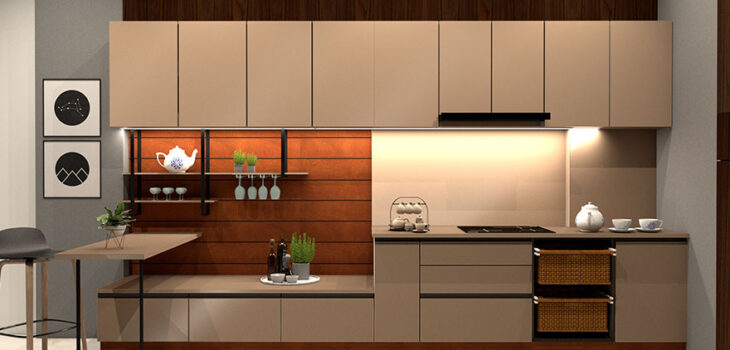
The kitchen is often regarded as the heart of the home, a place where culinary creativity meets everyday convenience. With the evolving needs of modern households, modular kitchen design has become increasingly popular for its adaptability, aesthetic appeal, and practicality. Planning an efficient modular kitchen design requires careful thought, considering both functionality and style to create a space that enhances the cooking experience while keeping the area organized and visually appealing.
Understanding the Concept of Modular Kitchen Design
A modular kitchen design refers to a kitchen layout that is constructed using pre-made modules or units. These units are designed to fit together seamlessly, allowing for customization based on the space available and the specific needs of the homeowner. Unlike traditional kitchens that are built on-site with permanent fixtures, modular kitchens offer flexibility, making it easier to update or rearrange components as needed. Understanding this concept is the first step toward creating an efficient kitchen that meets both aesthetic and functional requirements.
Planning the Layout for Maximum Efficiency
One of the most critical aspects of modular kitchen design is choosing a layout that promotes smooth workflow. The layout should allow easy access between the three primary zones of a kitchen: the cooking area, the cleaning area, and the storage area. The popular work triangle concept, which connects the stove, sink, and refrigerator, is still highly relevant in modern modular kitchen design. Ensuring minimal distance between these points can reduce unnecessary movement while cooking, making daily tasks more efficient and enjoyable.
Selecting the Right Materials and Finishes
The choice of materials and finishes plays a vital role in both the durability and visual appeal of a modular kitchen design. Countertops should be resistant to heat, scratches, and stains, while cabinets should be sturdy and easy to maintain. Materials like engineered wood, laminate, and acrylic have become preferred options for their combination of durability, affordability, and variety of finishes. For a long-lasting modular kitchen, it is essential to choose materials that not only match the design aesthetic but also withstand daily wear and tear.
Optimizing Storage Solutions
Storage is a major consideration when planning an efficient modular kitchen design. Modular kitchens allow for innovative storage solutions that maximize space while keeping everything organized. Tall cabinets can be used to store seldom-used items, while pull-out drawers and corner units make even the most awkward spaces functional. Installing vertical dividers, spice racks, and drawer organizers can further enhance accessibility and efficiency. Well-planned storage ensures that everything has a designated place, reducing clutter and streamlining kitchen activities.
Lighting and Ventilation Considerations
Proper lighting and ventilation are essential for both comfort and functionality in a modular kitchen design. Task lighting above work areas ensures safety and precision during food preparation, while ambient lighting contributes to a warm and inviting atmosphere. Natural ventilation, combined with exhaust systems, helps remove cooking odors and keeps the kitchen environment fresh. Thoughtful placement of windows, exhaust fans, and lighting fixtures can dramatically improve the usability and ambiance of the kitchen.
Incorporating Ergonomics in Design
Ergonomics is an often-overlooked aspect of modular kitchen design, but it is crucial for long-term comfort and efficiency. Counter heights, cabinet placement, and appliance positioning should be planned with user comfort in mind. Ensuring that frequently used items are within easy reach can reduce strain during cooking. Adjustable shelves and pull-out trays can further enhance ergonomic convenience, allowing the kitchen to adapt to the needs of different users. An ergonomically designed kitchen not only improves workflow but also promotes healthier and more enjoyable cooking experiences.
Balancing Aesthetics with Functionality
While efficiency is a primary goal, a modular kitchen design must also be visually pleasing. The colors, finishes, and layout should complement the overall theme of the home. Open shelving can create a sense of space and showcase decorative items, while closed cabinets help maintain a clean and organized look. Combining aesthetic appeal with practical elements ensures that the kitchen remains both functional and stylish. Thoughtful design decisions can transform a modular kitchen into a centerpiece that enhances the overall ambiance of the home.
Planning for Future Upgrades
One of the key advantages of modular kitchen design is its adaptability. When planning your kitchen, consider potential future upgrades or changes in lifestyle. Modular units can be easily replaced or rearranged, making it simple to incorporate new appliances or storage solutions. By anticipating future needs, homeowners can ensure that their kitchen remains functional and relevant for years to come. Flexibility is a defining feature of modular kitchens, and planning for the long term maximizes the value of your investment.
Budgeting and Cost Considerations
An efficient modular kitchen design is not only about aesthetics and functionality but also about managing costs effectively. Establishing a realistic budget helps prioritize essential components and avoid overspending. Cost considerations should include materials, labor, appliances, and accessories. While it may be tempting to focus solely on appearance, investing in durable materials and practical storage solutions will pay off in the long term. Careful budgeting ensures that the kitchen is both beautiful and functional without compromising quality.
Final Thoughts
Creating an efficient modular kitchen design involves a delicate balance of planning, functionality, and style. By understanding the concept, optimizing layouts, selecting the right materials, and incorporating ergonomic and storage solutions, homeowners can achieve a kitchen that is both practical and visually appealing. Lighting, ventilation, and future adaptability further enhance the overall efficiency of the space. With careful planning and thoughtful decision-making, a modular kitchen can become a hub of convenience, creativity, and comfort in any home.
In conclusion, a well-planned modular kitchen design transforms the heart of your home into a space that is organized, efficient, and elegant. By focusing on workflow, storage, materials, and aesthetics, you can create a kitchen that not only meets your present needs but also adapts to future requirements. Embracing these essential tips ensures that your modular kitchen remains a functional and inviting space for years to come.