 Business
From Manual to High-Flow Explore Different Types of Fuel Nozzles
- by mehmatkhan
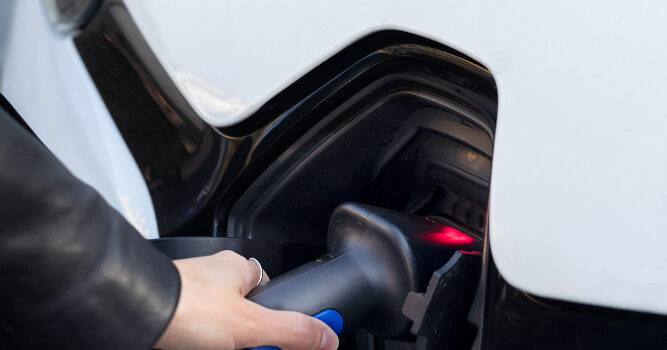
The fuel nozzle is the device we use regularly but rarely consider. Whether you’re at a local gas station or operating a fuel depot for heavy-duty vehicles, fuel nozzles are essential tools that make efficient and safe refueling possible. But there’s more to these nozzles than just pumping fuel—they represent a blend of engineering precision, safety standards, and user convenience.
What is a Fuel Nozzle?
A fuel nozzle is the part of the fuel dispensing system that you interact with directly during refueling. It connects to the fuel hose and is inserted into a vehicle’s fuel tank or container to deliver gasoline, diesel, or alternative fuels. Fuel nozzles are engineered to provide:
-
Controlled fuel flow
-
Automatic shutoff to prevent overfilling
-
Safety features to avoid spills or leaks
-
Compatibility with various fuels and vehicles
These nozzles are more than just mechanical levers—they’re safety devices that comply with strict environmental and operational standards.
Key Components of a Fuel Nozzle
Most standard fuel nozzles include:
-
Trigger Handle – Controls the flow of fuel. When squeezed, it opens a valve to let fuel pass.
-
Automatic Shutoff Valve – Stops the fuel flow when the tank reaches a certain level.
-
Spout – The metal end that fits into the vehicle’s fuel port.
-
Swivel Joint – Allows the nozzle to rotate for ease of use and reduced hose wear.
-
Vapor Recovery System (optional) – Collects fuel vapors during the refueling process to reduce emissions.
Types of Fuel Nozzles
Depending on the application, fuel nozzles come in various types:
1. Automatic Fuel Nozzles
Used in retail gas stations, these feature built-in shutoff valves that activate when the fuel tank is full. They’re user-friendly and minimize the risk of spillage.
2. Manual Fuel Nozzles
Common in industrial and agricultural settings, manual nozzles require the user to monitor the fueling process and manually stop the flow. They are simple but require careful handling.
3. High-Flow Nozzles
Designed for large fuel tanks (e.g., trucks, buses, construction machinery), these nozzles deliver fuel at a faster rate to save time during refueling.
4. Vapor Recovery Nozzles
Equipped with systems to capture fuel vapors, these nozzles reduce environmental impact and comply with emission regulations.
How Does a Fuel Nozzle Work?
The operation of a fuel nozzle may seem simple, but it involves clever physics. The automatic shutoff system, for instance, uses a venturi effect. A small hole near the tip of the spout senses changes in air pressure. When fuel rises in the tank and covers this hole, the pressure drop activates a mechanical valve inside the nozzle, stopping the fuel flow instantly.
This simple yet effective design has made automatic fuel nozzles standard across most refueling stations worldwide.
Applications Across Industries
Fuel nozzles are not limited to cars and motorcycles. They’re used in:
-
Aviation fueling systems
-
Marine fueling docks
-
Agricultural machinery
-
Heavy-duty fleets and transport vehicles
-
Portable fuel storage tanks
Different sectors may require custom nozzle designs based on safety, fuel type, and regulatory standards.
Safety Features and Innovations
Modern fuel nozzles integrate several safety features:
-
Breakaway Couplings – Disconnect the nozzle safely if a vehicle drives off with it still attached.
-
Anti-drip Spouts – Minimize fuel waste and environmental hazards.
-
Nozzle Locks – Prevent unauthorized fuel dispensing.
-
Color Coding – Helps users identify fuel type (e.g., green for diesel, black for gasoline).
With the rise of alternative fuels like biodiesel, ethanol, and hydrogen, nozzle designs are also evolving to handle different chemical properties and delivery requirements.
Maintenance and Troubleshooting
Like any mechanical device, fuel nozzles require routine maintenance. Common issues include:
-
Trigger malfunctions
-
Leaks or drips
-
Inaccurate shutoff
-
Clogged filters
Regular inspection ensures safety, prevents fuel loss, and extends the nozzle’s lifespan. In high-traffic locations, nozzles should be cleaned and tested frequently.
Conclusion: Small Device, Big Role
Though small in size, the fuel nozzle plays a massive role in modern transportation and industry. It ensures that fuel is delivered safely, efficiently, and in an environmentally responsible way. As vehicles evolve and fuel types diversify, nozzle technology continues to adapt—quietly but critically powering the world around us.