 Technology
Integrating RFID Tag Readers with Data Management Systems Process
- by shemol
Integrating RFID Tag Readers with Data Management Systems for Research
In today’s data-driven research landscape, efficiency and accuracy are non-negotiable. From environmental monitoring to fisheries science, the ability to collect, process, and analyze information quickly can mean the difference between meaningful results and wasted effort. One technology making waves in this space is the RFID tag reader.
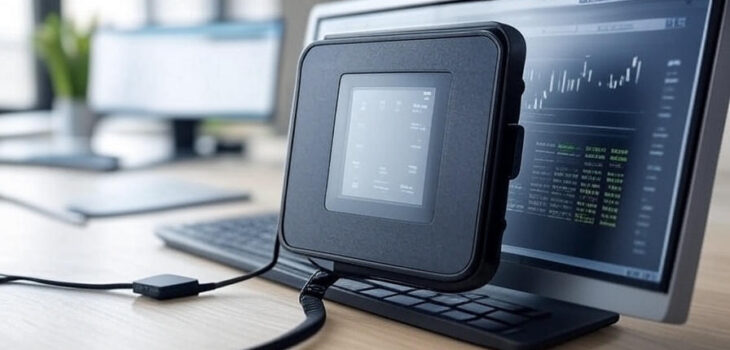
When integrated with modern data management systems, these devices not only streamline the collection of critical information but also ensure that datasets are more accurate, consistent, and accessible. Let’s explore how this integration works, why it matters, and the best practices for getting it right.
Understanding the Basics: What is an RFID Tag Reader?
An RFID tag reader is a device designed to detect and read information stored on Radio Frequency Identification (RFID) tags. Each tag contains a small chip and antenna that transmits data when it comes into range of the reader. Unlike barcodes, RFID tags don’t require line-of-sight scanning, making them faster and more versatile in field research settings.
Readers come in various forms: handheld units for mobile work, fixed stations for constant monitoring, and even underwater models for aquatic research. When paired with the right data management system, these readers become powerful tools for tracking subjects, logging metadata, and storing it in centralized databases for analysis.
Why Integration Matters in Research
Collecting data is one thing—making sense of it is another. Researchers often face challenges like missing entries, transcription errors, and time delays between collection and analysis. By connecting an RFID tag reader directly to a digital data management platform, these problems can be significantly reduced.
Key advantages of integration include:
- Real-time data transfer: Information moves from the reader to the database instantly.
- Error reduction: Manual data entry is minimized, lowering the risk of typos or mismatches.
- Data standardization: Automated input ensures uniform formats across the dataset.
- Remote accessibility: Researchers can access up-to-date records from anywhere with internet connectivity.
In a field like wildlife monitoring or fisheries research—where a single missed entry could mean losing a valuable recapture event—these benefits are game-changing.
Real-World Applications
1. Fisheries and Aquatic Research
In fish tagging projects, an RFID tag reader can instantly log recapture data, including location, date, and condition of the fish. This data flows directly into a central database where scientists can monitor migration patterns, survival rates, and growth trends without waiting for field notes to be manually entered.
2. Wildlife Conservation
From tracking endangered turtles to monitoring bird nesting sites, RFID-based systems help conservationists maintain accurate population records, enabling data-driven management decisions.
3. Laboratory Environments
In controlled research environments, RFID integration is used to track specimens, samples, and lab equipment, ensuring nothing is misplaced and data trails remain intact.
How Integration Works: The Technical Side
An RFID tag reader can connect to a data management system through wired (USB, Ethernet) or wireless (Wi-Fi, Bluetooth) methods. Once connected, middleware or specialized software handles the flow of information, mapping the tag data to the right fields in the database.
Typical workflow:
- Tag detection – Reader captures the tag ID and associated data.
- Data mapping – Software interprets the tag ID and assigns it to a subject in the database.
- Metadata logging – Location, time, environmental conditions, and other variables are recorded automatically or entered via linked devices.
- Real-time sync – The database updates instantly, making the information available to the entire research team.
Cloud-based systems are increasingly popular, allowing teams in different geographic locations to work with the same live dataset.
Best Practices for Successful Integration
- Choose the Right Reader
Select an RFID tag reader suited to your environment. For example, underwater models are essential for aquatic tagging, while ruggedized handheld units are ideal for fieldwork in challenging terrains. - Ensure Compatibility
Confirm that your reader supports integration with your chosen database or data management software. Open API access often makes integration smoother. - Standardize Data Formats
Before rollout, establish consistent data entry formats for fields like species name, location, and time stamps to avoid future inconsistencies. - Train Your Team
Even with automated systems, human error can occur. Ensure everyone using the reader understands the correct procedure for scanning, tagging, and syncing. - Test Before Scaling
Run pilot tests to identify any connectivity or compatibility issues before full-scale deployment.
Common Challenges and How to Overcome Them
- Signal Interference: Metal structures or water can disrupt RFID signals. Choose readers and tags designed for your environment.
- Battery Life: In remote research sites, power can be limited. Opt for energy-efficient readers or carry spare batteries.
- Data Overload: High-frequency scans can produce large datasets. Use filtering protocols to log only relevant data.
Proactive planning and the right hardware can solve most of these challenges before they impact data quality.
Case Study: Integrating RFID in Aquatic Research
A recent project by the Pacific Northwest National Laboratory used an RFID tag reader network integrated with a custom data management system to monitor salmon migration through river systems. Over two seasons, researchers tracked thousands of fish, with real-time updates on movement and survival.
This integration reduced manual data entry by over 80%, cut reporting times from weeks to hours, and improved the accuracy of migration models used for conservation planning.
The Future of RFID Integration in Research
Expect to see more automation, AI-based analytics, and IoT-enabled monitoring in coming years. For instance, an RFID tag reader could trigger environmental sensors when a tagged subject passes by, automatically linking physical data (like water temperature or salinity) to the animal’s record.
This merging of technologies will deepen insights, improve predictive modeling, and ultimately lead to more effective conservation and resource management strategies.
Final Thoughts
Integrating an RFID tag reader with a data management system isn’t just about convenience—it’s about unlocking the full potential of your research data. By automating data capture, reducing errors, and enabling real-time collaboration, this technology ensures that every piece of information you collect works harder for your research goals.
Whether you’re tagging fish in a river, tracking wildlife migrations, or managing specimens in a lab, RFID integration offers a scalable, future-ready solution to one of science’s oldest challenges: turning field data into actionable knowledge.