 Health
Microneedling Explained: How It Works, Benefits & Aftercares
- by adam
Microneedling has grown in popularity as a versatile skin and scalp treatment. While it’s widely known for improving skin texture and reducing fine lines, it’s also gaining recognition for its role in addressing thinning hair. In fact, microneedling for hair loss is becoming a sought-after option for those looking to stimulate hair growth without surgical procedures. By encouraging the body’s natural healing response, microneedling offers benefits for both skin rejuvenation and hair restoration.
What Is Microneedling?
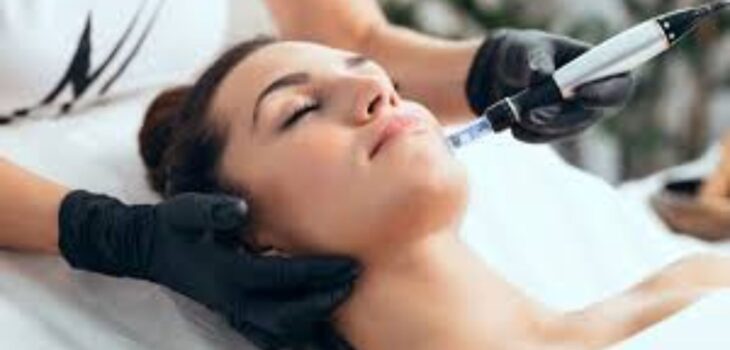
Microneedling, or collagen induction therapy, is a minimally invasive procedure that uses a device with fine needles to create tiny punctures in the skin or scalp. These micro-injuries trigger the body’s wound-healing process, stimulating collagen, elastin, and, when applied to the scalp, potentially activating dormant hair follicles.
How Microneedling Works for Hair Loss
When performed on the scalp, microneedling creates controlled micro-injuries that:
- Increase blood circulation to hair follicles
- Encourage the release of growth factors
- Stimulate stem cells in the hair bulge area
- Improve the absorption of topical hair growth treatments like minoxidil or serums
Research suggests that microneedling may help in cases of androgenetic alopecia (pattern baldness) and other types of hair thinning by making the scalp environment more conducive to hair growth.
Benefits of Microneedling for Hair Loss
1. Stimulates Natural Hair Growth
Microneedling triggers the body’s repair mechanisms, which can help reactivate weak or inactive follicles and encourage new hair strands to grow.
2. Boosts Treatment Effectiveness
By creating microchannels in the scalp, microneedling enhances the penetration of topical treatments, making them more effective than when applied alone.
3. Non-Surgical and Low Downtime
Unlike hair transplant surgery, microneedling is minimally invasive and typically involves little recovery time, allowing you to get back to your routine quickly.
4. Safe for Most People
It can be suitable for both men and women experiencing mild to moderate hair thinning, though consultation with a specialist is recommended.
Other Benefits Beyond Hair Growth
While microneedling is popular for hair restoration, it also offers skin benefits:
- Reduces fine lines and wrinkles
- Improves skin texture and tone
- Minimizes acne scars and stretch marks
- Enhances overall skin radiance
This makes it a multi-purpose treatment for those wanting improvements in both skin and scalp health.
The Microneedling Procedure
Preparation
Your practitioner will first cleanse the treatment area and may apply a numbing cream to minimize discomfort. For hair loss treatments, the scalp is often sectioned for better access.
Treatment
A microneedling device, such as a dermapen or dermaroller, is used to create tiny punctures. For scalp treatments, the needle depth is typically adjusted to target the hair follicles effectively.
Duration
A session usually takes 30–45 minutes, depending on the area being treated.
Aftercare for Microneedling on the Scalp
Proper aftercare is essential for optimal results, especially for microneedling for hair loss. Here’s what to follow:
- Avoid washing your hair for at least 24 hours
- Skip harsh shampoos or styling products for a couple of days
- Stay out of direct sunlight and avoid sweating excessively for 48 hours
- Follow your provider’s instructions for applying topical treatments post-session
How Many Sessions Will You Need?
Most people see improvement after 3–6 sessions spaced 4–6 weeks apart. For hair loss, consistency is key. Ongoing maintenance sessions may be needed to sustain results.
Possible Side Effects
Microneedling is generally safe when performed by a trained professional, but mild side effects can occur:
- Redness and sensitivity for 1–2 days
- Minor swelling or pinpoint bleeding
- Temporary scalp tenderness
These effects usually resolve quickly.
Who Should Avoid Microneedling for Hair Loss?
Microneedling might not be suitable if you:
- Have an active scalp infection
- Are prone to keloid scars
- Have uncontrolled diabetes or blood clotting disorders
- Are undergoing certain medical treatments
Always consult with a licensed professional before starting.
Final Thoughts
Microneedling is more than just a skin rejuvenation treatment — it’s proving to be a promising option for hair restoration as well. By stimulating collagen production, improving blood flow, and enhancing the absorption of growth treatments, microneedling for hair loss can help those struggling with thinning hair regain confidence. If you’re looking for a safe, minimally invasive way to improve scalp health and encourage natural hair growth, this treatment could be worth exploring with a qualified provider.
To read more free article ( Click Here )