 Health
Plasma Sterilization vs. EtO Gas Sterilization: What’s Best for Your Veterinary Practice?
- by jaydenirish
Have you ever been ready to perform a surgery only to realize the one instrument you need is not sterile?
It is stressful and costly when a patient is prepped, anesthesia is underway, but your tools are not ready. Fast and safe sterilization is no longer optional in today’s veterinary practices.
That is why comparing plasma sterilization and EtO gas sterilization is important. The choice you make can shape safety, efficiency, and long-term results for your hospital.
Why Sterilization Matters More Than Ever
Every practicing veterinarian understands the pressure of keeping instruments ready for use. Delays not only frustrate the surgical team but can also risk patient outcomes. Traditional methods like autoclaves are effective but not always suited for delicate laparoscopic or endoscopic equipment.
With newer technologies, you can sterilize batteries, vessel sealers, plastic tubing, scopes, and even drills without damage.
The question is, should your practice depend on plasma sterilization or continue with EtO gas sterilization?
Let’s go deeper into both methods and see which aligns better with your goals.
Understanding Plasma Sterilization for Veterinary Tools
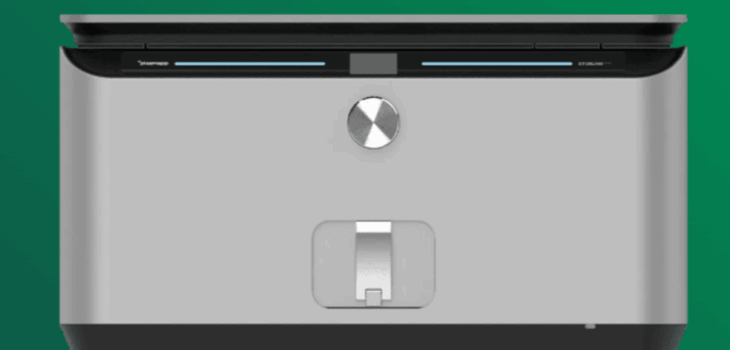
Plasma sterilization uses hydrogen peroxide vapor to destroy microorganisms, including the tough spores that regular cleaning cannot remove. For practices adopting minimally invasive surgery, this approach is an inovation. Sensitive devices such as scopes, camera heads, and vessel sealing handles often cannot withstand high heat. By turning to systems like the Sterlink gas plasma sterilization unit, you gain fast cycles and safe results.
The Sterlink system developed by Plasmapp is designed for busy clinics. In some cases, sterilization can be complete in just minutes. Instead of waiting overnight or managing complex safety measures, your team has instruments back in rotation almost instantly. Even batteries and electronics can be handled without risk of corrosion or harmful residue.
This approach is not just about speed. It reduces environmental impact and removes the health hazards that come with chemical off-gassing. For clinics wanting safer surgery and fewer delays, plasma sterilization has clear appeal.
Looking at EtO Gas Sterilization in Veterinary Settings
EtO gas sterilization relies on ethylene oxide, a chemical that reacts under controlled conditions to eliminate germs. This method has been used for years and remains effective across many industries. For veterinarians, it is known for its thoroughness and ability to reach complex instrument surfaces.
Yet gas sterilization has challenges. Cycles can stretch from half a day to a full day, depending on load size. When every minute counts in surgery, this delay creates a bottleneck. Safety is another issue. Ethylene oxide is carcinogenic, and regular exposure poses long-term risks to staff. It is also flammable and requires special ventilation systems to remain compliant.
Costs add another burden. Using EtO can be several times more expensive than hydrogen peroxide plasma. For a practice balancing efficiency, safety, and economics, these concerns are difficult to ignore.
Comparing Plasma Sterilization and EtO Gas Sterilization
| Factor | Plasma Sterilization | EtO Gas Sterilization |
| Cycle time | Minutes (as little as 17) | 12–24 hours |
| Safety | No harmful off-gassing | Carcinogenic and flammable |
| Cost | Lower operating cost | Up to five times higher |
| Equipment range | Scopes, vessel sealers, batteries, and drills | Wide but longer cycle |
| Environmental impact | Lower footprint | Requires strict regulations |
Why Choosing the Right Sterilization Method Matters
Sterilization is not just a step in surgery prep; it is the backbone of safe and reliable veterinary care. Every instrument that enters a patient must be completely free from harmful microorganisms. That is why the choice between plasma sterilization and eto gas sterilization carries so much weight. Both methods aim to safeguard patients, but they work in very different ways.
Ethylene Oxide (EtO) gas has been used for years because it covers even the most complex tools. It can sterilize delicate items like scopes, vessel sealing handles, and other heat-sensitive devices that would be damaged in an autoclave. The gas reaches every corner, even in tight channels and intricate designs, making it effective where steam cannot. However, the tradeoffs include long cycles, chemical risks, and higher costs.
Plasma sterilization, on the other hand, uses hydrogen peroxide vapor to achieve the same goal without those drawbacks. With systems like the Sterlink gas plasma sterilization unit, veterinarians can sterilize batteries, drills, and multiple instruments in minutes instead of hours. It is gentle on sensitive materials, fast enough to keep up with busy surgical schedules, and free from harmful chemical residue.
When you step back, the decision is clear. EtO sterilization still works but requires complex safety measures, high expenses, and long wait times. Plasma sterilization gives practices worldwide the speed, safety, and flexibility they need.
The Final Words
Your practice deserves sterilization technology that supports both patient safety and staff efficiency. Plasma sterilization, powered by systems like Sterlink, brings speed, safety, and reliability that older EtO gas sterilization methods cannot match.
If you are ready to move beyond outdated methods and equip your hospital for modern veterinary surgery, explore today. The right sterilization platform can change how your practice works tomorrow.