 Home Improvement
Property Maintenance Strategies That Make Life Easier for Owners
Managing a property is easier when maintenance follow-ups remain organised, predictable, and properly planned. When owners understand how to schedule repairs, arrange inspections, prevent structural faults, and keep electrical and building systems updated, long-term sustainability improves. Good property maintenance protects the value of the building, supports safe living and working environments, and reduces disruptions that might affect tenants, investors, or family members.
Whether managing residential buildings, commercial structures, rental spaces, or mixed-use facilities, consistent upkeep has major advantages. In Australia, maintenance planning also helps align buildings with safety regulations, compliance checks, environmental measures, and access requirements. This guide helps owners understand maintenance strategies, why preventive servicing matters, and how building support services contribute to smooth performance.
What Makes Property Maintenance Important?
Strong property upkeep prevents damage, supports user safety, improves energy use, and increases asset value. Beyond repairs, maintenance helps owners forecast improvements, prepare seasonal upgrades, and avoid unexpected downtime.
Effective property maintenance leads to:
- Better insulation performance
- Longer service life of electrical systems
- Safer outdoor access areas
- Improved internal layouts
- Smooth utility connections
When maintenance is taken seriously, buildings remain durable, clean, comfortable, and efficient.
Understanding Property Maintenance in the Australian Context
Australian homes and commercial spaces follow structured guidelines that cover electrical safety, building access points, plumbing layouts, ventilation, and emergency infrastructure. Local guidance defines responsibility for upkeep tasks and helps owners meet compliance expectations.
Many buildings undergo inspections that check:
- Interior areas such as kitchens and open spaces
- Ventilation systems
- Power points and switchboards
- Outdoor walkways
- Entry lighting systems
- Ceiling spaces
- Load-bearing areas
This works as a useful reference for maintenance planning in Australian settings.
Core Elements of Property Maintenance Owners Should Focus On
Maintaining a building is easier when tasks are grouped logically. The main focus areas are:
Electrical Maintenance
Electrical upkeep protects people, saves energy, and supports equipment. For example:
- Routine inspection of power points
- Visual checks for safe wiring
- Switchboard updates
- Secure installation of fixtures
Well-maintained systems reduce risk and improve convenience.
Building Repairs and Structural Checks
Seasonal movement, weather exposure, and daily use create wear signs across buildings.
Common service areas include:
- Outdoor fixtures
- Internal wall finishes
- Door frame and access areas
- Gutters and roof features
Planned support avoids sudden faults.
General Maintenance for Rental and Commercial Use
For rental properties or commercial areas, maintenance helps:
- Meet tenant expectations
- Reduce work interruptions
- Improve compliance outcomes
- Support resale potential
Owners also gain predictable repairs instead of urgent calls.
Ways to Make Property Maintenance Easier for Owners
Some improvements create simplified maintenance routines over time. Here are practical strategies:
Create a maintenance log
Property owners benefit from keeping a record of items such as:
- Repairs already completed
- Scheduled tasks
- Seasonal maintenance reminders
- Service dates
Logs make tracking maintenance easier.
Plan ahead for seasonal changes
Summer, winter, and rainy periods often affect buildings differently. Good planning avoids delays during peak seasons.
Use clearly scheduled safety checks
Especially in locations where electrical devices, lighting, or appliances operate daily, routine inspections prevent breakdowns.
Organise tasks roomwise or zone-wise
This method keeps maintenance organized instead of scattered across the building.
Electrical Upgrades That Support Better Property Maintenance
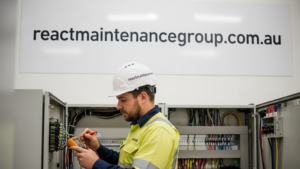
Electrical work plays a major role in upkeep. Strong electrical systems improve performance, minimise risks, and keep access areas safe.
Professional service recommendations include:
- Replacing outdated fixtures
- Updating wiring connections
- Ensuring correct use of safety switches
- Improving lighting placement
Once these steps are handled, owners gain peace of mind knowing that their systems are safe and manageable. When communicating with service teams, owners may discuss Property Maintenance Advice for Owners to scope proper repair and servicing support.
Preventive Maintenance and Long-Term Value for Property Owners
Preventive upkeep reduces time lost on repairs and helps avoid disruption. Australian properties commonly apply preventive steps such as:
- Surface protection
- Service access planning
- Safety zone marking
- Placement of protected power outlets in exposed areas
This protects building users and supports long-term asset value.
Property Maintenance for Busy Rental and Commercial Buildings
Properties with ongoing activity require structured oversight. In shared spaces, consistent upkeep reduces inconvenience.
Benefits include:
- Smooth operational schedules
- Better tenancy satisfaction
- Lower wear on infrastructure
Owners also reduce emergency requests, especially when logs and maintenance schedules are updated regularly.
Organizing Property Maintenance Without Stress
When approached systematically, maintenance becomes manageable.
Here are simple organisation techniques:
Group tasks by urgency
- Immediate jobs
Seasonal jobs
Future planning jobs
Keep records of service providers
- This helps in repeat follow-ups when needed.
Use safety-led guidance
- Especially related to wiring or key infrastructure upgrades.
Update building safety notices
- This helps people know if utility access is restricted or if repair areas are currently active.
By following these steps, owners stay prepared, confident, and ready for long-term improvement.
Questions and Answers: Common Questions About property maintenance in Australia
Q: How often should property maintenance be planned in active buildings?
A: Plans vary based on usage conditions, but scheduling by season keeps inspections and servicing predictable.
Q: Does property maintenance include electrical upgrades?
A: Yes. Electrical checks form a large part of maintenance because building operation depends on lighting, power access points, and appliance safety.
Q: What is the benefit of working with a professional maintenance provider?
A: Professional support gives structured service, better evaluations, and organised follow-ups.
Q: How can property owners reduce sudden repair issues?
A: By applying preventive servicing steps such as scheduled inspections, surface protection, and documentation.
Q: Can maintenance planning help in resale situations?
A: Yes. Buildings with documented upkeep and updated electrical systems appeal more strongly to future buyers.
Conclusion: Your Path to a Successful property maintenance in Australia
Strong property maintenance allows owners to safeguard the reliability, safety, and appearance of their buildings. Through thoughtful planning, structured follow-ups, and testing of building systems, every property remains safe and functional. Maintenance also supports tenant satisfaction, long-term value protection, and ongoing usability.
Owners can improve results by grouping tasks logically, updating inspection notes, organising electrical upgrades, and performing seasonal assessments. Instead of waiting until something needs urgent attention, preventive planning helps minimise disruption.