 Business
Rethinking Industrial Cleaning: How Dry Ice Blasting is Changing the Game
- by raza
Rethinking Industrial Cleaning: How Dry Ice Blasting is Changing the Game
Industries of all types rely on cleanliness to maintain efficiency, safety, and compliance. However, traditional cleaning methods—like scrubbing, sandblasting, chemical washing, and water jetting—often fall short in terms of speed, safety, and environmental impact. As technology advances, a revolutionary method is gaining traction: dry ice blasting.
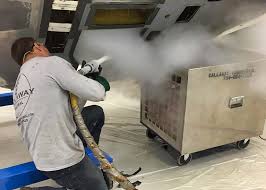
Dry ice blasting is a modern, non-destructive, and eco-friendly cleaning technique that is transforming how industrial maintenance is done. From food factories to aircraft hangars, this process is helping businesses clean smarter and faster.
What Is Dry Ice Blasting?
Dry ice blasting is a high-velocity cleaning process that uses solid carbon dioxide pellets as the cleaning medium. These pellets, commonly known as dry ice, are fired at contaminated surfaces using compressed air. Upon impact, the dry ice pellets break down contaminants and immediately sublimate—changing from solid to gas—without leaving any liquid or solid residue behind.
Because the pellets disappear upon contact, dry ice blasting produces no secondary waste, making post-cleaning cleanup minimal compared to methods that use water or abrasives.
The Science Behind It
Dry ice blasting works through three main principles:
- Impact energy: The pellets strike the surface at high speed, loosening or breaking up dirt, grease, paint, or other contaminants.
- Thermal shock: Dry ice is extremely cold, at -78.5 degrees Celsius. This sudden change in temperature causes contaminants to become brittle and detach from the surface.
- Sublimation and expansion: As the pellets turn into gas, they expand rapidly. This expansion helps lift contaminants off the surface and away from the equipment being cleaned.
These combined effects result in thorough, effective cleaning without damaging the underlying surface or equipment.
Advantages of Dry Ice Blasting Over Traditional Methods
Dry ice blasting offers several distinct advantages over more conventional cleaning techniques:
- It is a dry process, which eliminates the risk of water damage or corrosion.
- It is non-abrasive and won’t damage delicate equipment, electrical components, or sensitive surfaces.
- There are no chemicals used, making it safer for workers and better for the environment.
- It produces no secondary waste, unlike sandblasting or power washing.
- Equipment can often be cleaned in place, reducing the need for disassembly and downtime.
These benefits make dry ice blasting an ideal choice for operations looking to reduce labor, shorten cleaning times, and improve safety.
Common Industries Using Dry Ice Blasting
Dry ice blasting has become a trusted cleaning solution across a wide range of sectors. Here are some of the most common industries where it’s making an impact:
Food Processing
Food production facilities require the highest level of cleanliness. Dry ice blasting allows operators to remove residues from ovens, mixers, conveyors, and other equipment without the use of water or chemicals, making it safe for food-contact surfaces.
Electrical and Power Equipment
Because the process is dry and non-conductive, dry ice blasting is ideal for cleaning electrical components such as transformers, generators, and control panels. It can even be performed without powering down certain equipment.
Automotive and Aerospace
Manufacturing tools, molds, and engines often collect grease, adhesives, and other contaminants. Dry ice blasting can clean these items without damaging intricate parts, saving both time and money in the production process.
Mold Remediation and Restoration
In restoration work, dry ice blasting is used to remove mold, soot, and smoke damage from wood, brick, and concrete surfaces. Its gentle cleaning action ensures the original materials remain intact.
Plastics and Rubber Molding
Dry ice blasting allows manufacturers to clean molds while still hot and in place, reducing downtime and preventing thermal expansion damage that could occur with water-based methods.
Safety and Handling
Though dry ice blasting is generally safe, certain precautions are necessary:
- Operators must wear personal protective equipment including gloves, face shields, and hearing protection.
- Adequate ventilation is essential in enclosed spaces to avoid a buildup of CO₂ gas.
- Only trained personnel should operate dry ice blasting equipment to ensure safe and effective use.
Following these safety standards ensures a safe working environment and prolongs the lifespan of both equipment and infrastructure.
Considerations and Limitations
While dry ice blasting offers many benefits, it is not perfect for every application:
- It may not remove extremely thick coatings, rust, or some heavy-duty paints.
- The equipment cost can be high, making it a more significant investment for smaller operations.
- It requires a consistent supply of dry ice and access to high-pressure air, which may be limited in some locations.
Despite these limitations, many companies find that the long-term savings in labor, time, and waste management make dry ice blasting a cost-effective solution.
Conclusion
Dry ice blasting is quickly redefining how industries approach cleaning and maintenance. It offers a fast, clean, and damage-free alternative to traditional cleaning methods, all while being environmentally responsible and worker-friendly.
As more businesses recognize the value of reducing waste, eliminating harmful chemicals, and increasing operational efficiency, dry ice blasting is emerging as the cleaning solution of the future.