 Business
Sofa Set Basics Materials Seating Styles and Space Planning
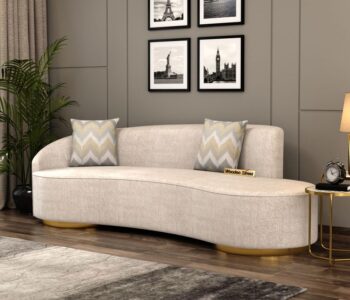
A sofa set is often the anchor of a living room, shaping both how the space looks and how it functions daily. It is not just a seating option but a key furniture piece that supports comfort, conversation, relaxation, and even work-from-home routines. Understanding sofa set basics helps homeowners make informed choices that suit their lifestyle, room size, and long-term needs. From material selection to seating styles and space planning, each aspect plays a role in creating a balanced and practical living environment.
Understanding Sofa Set Materials
The material of a sofa set directly affects its durability, comfort, maintenance, and visual appeal. Wooden frames are commonly preferred for their strength and stability. Hardwoods offer long-lasting support and maintain their structure even with regular use. Softwood frames, while lighter, are better suited for occasional seating or compact homes.
Upholstery materials also influence how a sofa set feels and performs over time. Fabric upholstery is widely chosen for its breathability and variety of textures. Cotton blends feel soft and comfortable, while synthetic fabrics are known for stain resistance and easy care. Leather and leather-like materials provide a sleek appearance and are easier to wipe clean, making them suitable for homes with frequent use. The right material choice depends on factors such as climate, daily usage, and the presence of children or pets.
Importance of Cushioning and Support
Comfort in a sofa set comes largely from its cushioning and internal support. High-density foam cushions offer firm seating that retains shape over time, while softer foam provides a plush feel but may require regular fluffing. Some sofa sets use layered cushioning, combining firm cores with softer top layers to balance comfort and support.
Seat depth and backrest height also affect posture and relaxation. A deeper seat allows lounging and reclining, while a shallower seat supports upright sitting. Proper lumbar support reduces strain during long sitting periods, making the sofa set suitable for both relaxation and everyday tasks like reading or working on a laptop.
Common Sofa Set Seating Styles
Seating styles vary based on room layout and household needs. Traditional sofa sets usually include a main sofa with additional seating options to create a complete arrangement. A three seater sofa works well as a central piece, offering ample space for family members while maintaining a clean visual line.
Compact seating styles suit smaller rooms where space efficiency is important. Modular seating allows flexibility, enabling homeowners to rearrange the sofa set based on changing needs. Some layouts prioritize symmetry for a formal look, while others focus on casual placement to encourage movement and interaction. Choosing the right seating style ensures that the sofa set supports both comfort and functionality without overcrowding the room.
Role of Sofa Set Design in Visual Balance
Design elements such as arm style, leg height, and back profile influence how a sofa set fits into the overall decor. Slim arms and raised legs create a lighter appearance, making them ideal for smaller spaces. Chunkier designs with low seating provide a grounded and cozy feel, suitable for larger living rooms.
Color and texture also contribute to visual balance. Neutral tones blend easily with changing decor, while textured fabrics add depth without overwhelming the space. The design of the sofa set should complement existing furniture and architectural features, allowing the room to feel cohesive rather than cluttered.
Space Planning for Sofa Set Placement
Proper space planning ensures that a sofa set enhances movement and usability within a room. Measuring the available area before selecting a sofa set helps avoid overcrowding and awkward layouts. Clearance around seating allows people to move comfortably and use nearby furniture without obstruction.
The placement of a sofa set often depends on natural light, doorways, and focal points such as windows or entertainment units. Positioning the sofa to encourage conversation while maintaining clear walkways improves the flow of the space. In open-plan homes, a sofa set can act as a visual divider, subtly defining living areas without the need for walls.
Sofa Set Arrangement for Different Room Sizes
Room size plays a major role in determining the ideal sofa set arrangement. In compact living rooms, a simple layout with a main sofa placed against a wall maximizes floor space. Lighter colors and elevated legs help the room feel more open. For medium-sized rooms, placing the sofa set slightly away from walls creates depth and a more inviting atmosphere.
Large living rooms benefit from thoughtful zoning. A centrally placed sofa set can anchor the seating area, while additional furniture supports different activities. Maintaining proportion is essential, as oversized seating can overwhelm the room, while undersized pieces may feel lost. The goal is to create harmony between furniture scale and room dimensions.
Maintenance and Longevity Considerations
A sofa set is a long-term investment, and proper maintenance extends its lifespan. Choosing materials that match daily usage reduces wear and tear. Removable cushion covers simplify cleaning, while sturdy frames prevent sagging over time. Regular care such as vacuuming upholstery and rotating cushions helps maintain appearance and comfort.
Environmental factors also affect durability. Direct sunlight can fade fabrics, while high humidity may impact wooden components. Thoughtful placement and routine care ensure that the sofa set remains functional and visually appealing for years.
Matching Sofa Set to Lifestyle Needs
Every household uses seating differently, making lifestyle an important factor in selection. Homes that host guests frequently may prioritize larger seating capacity and durable materials. Families with children often prefer easy-to-clean upholstery and firm cushioning for support. Individuals who value relaxation may look for deeper seats and softer textures.
Understanding daily habits helps narrow down choices that feel natural rather than forced. A sofa set that aligns with lifestyle needs enhances comfort and reduces the need for frequent replacements or adjustments.
Conclusion
A sofa set is more than a decorative element; it is a functional foundation for everyday living. By understanding materials, seating styles, cushioning, and space planning, homeowners can choose options that support comfort, durability, and visual balance. Thoughtful selection and placement allow the sofa set to integrate seamlessly into the living space, creating an environment that feels both welcoming and practical. When chosen with care, a well-planned sofa set continues to support daily life while adapting to changing needs over time.