 Education
Starting Out Right: What to Expect in a Beginner Bass Guitar Course
Learning a new instrument can be a thrilling yet daunting journey. For those drawn to the deep, rhythmic pulse of music, the bass guitar often becomes the instrument of choice. As the foundational element in many genres—from rock and jazz to funk and R&B—the bass provides both groove and depth. If you’re considering enrolling in a beginner bass guitar course, it’s natural to wonder what to expect. This article offers a comprehensive look at what lies ahead, helping you start out right on your musical journey.
Understanding the Role of the Bass Guitar
Before diving into the technicalities, most beginner courses start by explaining the unique role the bass guitar plays in a band. Unlike the lead guitar, which often takes center stage with melodies and solos, the bass guitar supports the harmonic framework and works closely with the drums to drive the rhythm.
Expect early discussions about:
- The function of the bass in various musical settings.
- How it contributes to rhythm and harmony.
- Why is it considered the “glue” that binds other instruments together?
Getting Acquainted with Your Instrument
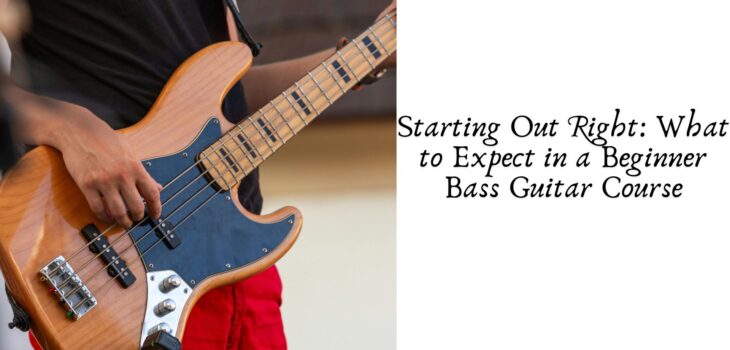
Beginner bass courses usually begin with the anatomy of the bass guitar. You’ll learn about the parts of the instrument and how they affect the sound and playability. A basic understanding of equipment is vital for effective practice and performance.
Topics typically include:
- Parts of the bass: headstock, neck, body, pickups, frets, etc.
- Types of bass guitars: 4-string vs. 5-string, fretted vs. fretless.
- How to tune your bass and care for it.
- Understanding amps, cables, and other accessories.
Developing Proper Technique
Technique is at the core of every good bassist’s skill set. A reputable beginner course will emphasize posture, hand positioning, and finger techniques to prevent injury and ensure long-term success.
Foundational techniques covered may include:
- Plucking with index and middle fingers.
- Using a pick (plectrum), if preferred.
- Fretting notes accurately and cleanly.
- Muting unwanted string noise with both hands.
Many instructors also touch on proper stretching and finger exercises to build strength and dexterity early on.
Reading and Understanding Music
A good beginner course introduces music theory and notation relevant to bass players. While some programs may focus heavily on learning by ear, most offer a blend of theory and practical playing.
Expect to learn:
- How to read tablature (TAB), a bass-specific form of notation.
- Basic standard notation, including notes on the bass clef.
- Rhythmic values: quarter notes, eighth notes, rests, and more.
- Major and minor scales, as well as the chromatic scale.
This knowledge will help you understand what you’re playing and enable you to communicate better with other musicians.
Playing Simple Songs and Riffs
After learning the basics, most courses will guide you through simple songs and recognizable riffs. This not only builds confidence but also makes practice more enjoyable.
Typical early repertoire may include:
- Classic basslines from rock, blues, and funk.
- Simple 12-bar blues progressions.
- Play-along exercises with backing tracks.
You’ll likely start by playing root notes and progress to incorporating fills and passing tones.
Introduction to Timing and Groove
Timing and groove are the heartbeat of bass playing. Instructors will help you develop a solid internal clock and sense of rhythm, often using metronomes or drum loops during practice.
You’ll work on:
- Playing in time with a metronome or drum machine.
- Locking in with drum patterns.
- Understanding time signatures (4/4, 3/4, etc.).
- Developing a consistent groove in various styles.
Groove is what makes a bass line feel good, and developing this skill is a core focus in most beginner courses.
Jamming and Playing with Others
Playing music is a social experience, and many beginner courses include group classes or encourage collaboration. Learning how to listen, follow cues, and support fellow musicians is invaluable.
You might:
- Participate in duets or ensemble sessions.
- Learn to follow a drummer’s lead.
- Improvise simple bass lines over chord progressions.
Some courses culminate in a performance or recording project, giving you a taste of real-world musicianship.
Building a Practice Routine
To make steady progress, beginners need a structured and realistic practice schedule. Your instructor will likely help you establish one that fits your lifestyle.
A typical routine includes:
- Warm-up exercises.
- Technique drills (plucking, fretting, scales).
- Learning and practicing songs.
- Rhythm and timing exercises.
- Ear training and listening tasks.
Consistency is key, and even 20–30 minutes a day can yield significant improvement over time.
Gaining Confidence and Setting Goals
As you progress, you’ll begin to set personal goals—whether that’s playing your favorite song, joining a band, or writing original bass lines. A good beginner course nurtures your confidence and helps you envision your path forward.
Instructors often:
- Provide feedback and encouragement.
- Track your progress with milestones.
- Offer tips for overcoming common challenges (e.g., finger fatigue, fret buzz).
- Recommend next steps, such as intermediate courses or specialized styles.
Choosing the Right Course
When selecting a beginner bass guitar course, consider:
- Instructor qualifications: Are they experienced bassists and educators?
- Curriculum structure: Is there a clear progression?
- Format: Do you prefer in-person lessons, online classes, or self-paced tutorials?
- Student support: Are there opportunities for feedback, Q&A, or community engagement?
Courses from institutions like Berklee Online, Fender Play, or local music schools are excellent options for structured learning.
Final Thoughts
Starting out on the bass guitar is an exciting step into the world of music. A beginner course offers structure, motivation, and the foundational skills you need to grow as a musician. From understanding your instrument to grooving with confidence, you’ll gain more than just technical ability—you’ll discover a powerful new way to express yourself.