Step-by-Step Guide to Learn to Read Quran for Beginners

Learning to read the Quran is a spiritual journey that brings peace, purpose, and connection with Allah. For beginners, this journey might seem challenging at first, but with patience, guidance, and consistency, it becomes an incredibly rewarding experience. Understanding the Quran allows Muslims to strengthen their faith, learn divine wisdom, and follow the right path in daily life. The key is to begin slowly, focusing on pronunciation, Arabic alphabets, and the meaning behind each word. Whether studying alone or with a tutor, a structured approach helps ensure steady progress. Here’s a simple step-by-step guide to learn to read Quran effectively and build a solid foundation for lifelong learning.
Step 1: Start with Learning the Arabic Alphabet
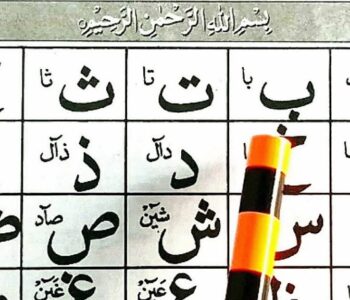
The first and most essential step is recognizing and pronouncing the Arabic alphabet correctly. The Quran is written in classical Arabic, and every letter has a unique sound. Beginners should dedicate time to mastering all 28 Arabic letters and their variations when joined with others.
- Practice each letter’s pronunciation daily.
- Learn to differentiate between similar-sounding letters like “س” (seen) and “ص” (saad).
- Focus on correct articulation points (Makharij).
- Use beginner-friendly Noorani Qaida or Qaida Baghdadi for structured learning.
Consistent practice of letters and sounds helps develop fluency and accuracy in Quranic recitation.
Step 2: Understand Short Vowels and Diacritics
After learning the Arabic alphabet, the next step is understanding the short vowels and diacritical marks, known as Harakāt. These marks guide pronunciation and affect word meanings significantly.
- Fatha (َ) adds a short “a” sound.
- Kasra (ِ) adds a short “i” sound.
- Damma (ُ) adds a short “u” sound.
- Sukoon (ْ) indicates a consonant sound without a vowel.
- Shadda (ّ) doubles the consonant sound.
Take time to read simple Quranic words with these markings until they become familiar. Mastering them ensures correct pronunciation and helps prevent misreading verses.
Step 3: Practice Joining Letters
Once confident with letters and vowels, start combining them to form small words. Understanding how letters connect in different positions—beginning, middle, and end—is crucial.
- Begin with two-letter words like “با” (ba) or “في” (fi).
- Move to three-letter combinations and short phrases.
- Read slowly to focus on fluency and clarity.
- Repeat aloud for better retention.
This step transforms theoretical learning into practical reading skills, preparing beginners for real Quranic verses.
Step 4: Learn Basic Tajweed Rules
Tajweed means “to make better.” It refers to the rules that ensure proper pronunciation, rhythm, and tone while reciting the Quran. Even beginners should start learning simple Tajweed principles early on.
- Practice rules like Idgham, Ikhfa, and Iqlab gradually.
- Understand the proper use of Madd (prolongation).
- Focus on clarity and avoiding haste during recitation.
- Listen to qualified reciters (Qaris) to mimic correct pronunciation.
Learning Tajweed from a certified teacher helps maintain the sacred accuracy of Quranic recitation.
Step 5: Read Short Surahs from the Quran
After mastering the basics, begin reading short Surahs from the Quran. Starting with shorter chapters boosts confidence and enhances fluency.
- Surahs like Al-Fatiha, Al-Ikhlas, and An-Nas are excellent for beginners.
- Practice daily recitation, focusing on pronunciation and rhythm.
- Repeat verses multiple times until reading becomes natural.
- Reflect on the meanings to strengthen spiritual understanding.
Gradual exposure to actual Quranic verses bridges the gap between learning and reciting confidently.
Step 6: Use Online Resources and Quran Apps
Technology has made it easier than ever to learn to read Quran from anywhere. Many online platforms, apps, and video lessons guide beginners step by step.
- Use interactive Quran learning apps with voice assistance.
- Watch tutorials that demonstrate Tajweed rules visually.
- Join live online Quran classes with qualified tutors.
- Track your progress through daily reading goals.
Such resources are especially beneficial for those without access to local Quran schools or teachers.
Step 7: Seek Guidance from an Experienced Tutor
While self-learning is valuable, guidance from a qualified Quran tutor ensures proper pronunciation, correction, and progress. A tutor provides accountability and personalized feedback.
- Choose a tutor who specializes in beginner-level teaching.
- Attend regular one-on-one or group sessions.
- Don’t hesitate to ask questions about rules or meanings.
- Stay consistent with lessons to maintain improvement.
With mentorship, learners can quickly overcome mistakes and gain confidence in reciting fluently.
Step 8: Maintain a Consistent Practice Routine
Consistency is the secret to mastering Quran reading. Regular practice strengthens memory, fluency, and understanding.
- Set aside at least 20–30 minutes daily for recitation.
- Revise previously learned Surahs weekly.
- Listen to Quranic recitations during free time.
- Create a quiet, peaceful environment for learning.
A disciplined approach helps maintain focus and progress steadily toward reading the Quran with understanding and devotion.
Step 9: Reflect and Apply the Teachings
Learning to read the Quran is not only about pronunciation but also understanding its message. Reflecting on its teachings leads to spiritual growth and better living.
- Read translations alongside Arabic text.
- Note down lessons or moral guidance from each verse.
- Try to apply Quranic teachings in daily life.
- Share learned verses with family or friends.
This reflection strengthens the bond between the reader and the Quran, deepening both faith and purpose.
Learning with Ilm Al Quran
Ilm Al Quran is a dedicated online learning platform that helps students of all ages learn to read Quran effectively from the comfort of their homes. The platform offers structured beginner courses focusing on Arabic alphabets, Tajweed, and fluency through one-on-one online sessions with expert tutors. Each student receives personalized attention, progress tracking, and spiritual guidance. Ilm Al Quran’s goal is to make Quran reading simple, accessible, and spiritually enriching for everyone. Whether you are just starting or looking to improve your recitation, Ilm Al Quran provides the perfect environment to begin your learning journey with confidence and devotion.