 Business
Things to Know Before Adding an L Shape Sofa to Your Living Room Design
Designing a living room requires careful planning, especially when choosing furniture that influences both comfort and layout. One of the most popular seating options in modern homes is the L shape sofa. Known for its spacious seating and practical design, it helps create a comfortable and functional environment for everyday living. However, before incorporating this furniture piece into your space, it is important to understand several aspects that affect its placement, usability, and overall appearance in the room.
A well chosen L shaped sofa can transform a living room into a welcoming space for relaxation and social gatherings. At the same time, selecting the wrong size, style, or placement may disrupt the flow of the room. Understanding a few essential factors beforehand will help ensure that the sofa enhances the design rather than creating inconvenience.
Understanding the Layout of Your Living Room
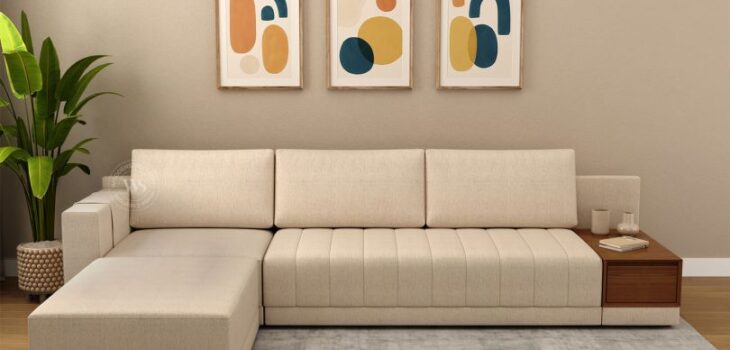
The layout of a living room plays a major role when introducing an L shaped sofa. This type of sofa occupies two connected sides, forming a corner seating arrangement. Because of its unique shape, it works best when aligned with the natural structure of the room.
Before adding the sofa, it is necessary to evaluate the room’s dimensions and the placement of doors, windows, and walkways. A sofa that blocks movement or obstructs natural light can make the space feel cramped. Ideally, the longer side of the L shape sofa should be placed along the wall while the shorter side extends into the room, creating a cozy seating zone.
In open plan homes, the sofa can also act as a subtle divider between the living area and dining space. By positioning the L shaped sofa strategically, homeowners can define different zones without the need for additional partitions.
Choosing the Right Size for the Space
One of the most important considerations before buying an L shaped sofa is its size. While these sofas provide generous seating, they also occupy more floor space than traditional two or three seater sofas. Selecting the correct size ensures that the living room remains balanced and easy to navigate.
A sofa that is too large may overpower the room and limit the available walking space. On the other hand, a smaller sofa may not fully utilize the seating potential of the area. Measuring the available space carefully before making a decision can help determine the most suitable dimensions.
It is also helpful to consider how many people usually use the living room. Families who frequently host guests may prefer a larger L shaped sofa, while smaller households may benefit from a compact version that fits comfortably without overwhelming the layout.
Considering the Orientation of the Sofa
Another important aspect is the orientation of the sofa. An L shaped sofa can come in either a left facing or right facing configuration. This refers to the direction in which the extended section of the sofa is placed.
Choosing the correct orientation is essential because it directly affects the functionality of the room. For example, placing the extended section toward a wall may maximize open space, while positioning it toward the center of the room may create a more social seating arrangement.
Before making a final decision, it is useful to visualize how the sofa will interact with other furniture pieces such as coffee tables, side tables, or entertainment units. The goal is to create a layout where movement remains smooth and the seating area feels inviting.
Matching the Sofa with Interior Design Style
The style of the sofa should complement the overall theme of the living room. Since the L shaped sofa is usually one of the largest pieces of furniture in the space, it naturally becomes a focal point.
Modern interiors often feature clean lines and minimal detailing, while traditional settings may include richer textures and decorative elements. Choosing a sofa that reflects the existing design style helps maintain visual harmony throughout the room.
Color selection is equally important. Neutral shades such as beige, grey, or cream tend to blend easily with different décor styles. At the same time, deeper colors or textured fabrics can create a bold statement in the living area.
By aligning the sofa with the room’s design elements, the living space can appear cohesive and thoughtfully arranged.
Evaluating Comfort and Seating Needs
While aesthetics play a major role in furniture selection, comfort should never be overlooked. A living room is primarily a place for relaxation, and the seating arrangement should support that purpose.
An L shaped sofa usually provides ample seating for multiple people at once. This makes it particularly useful for family gatherings, movie nights, or casual conversations. The extended section often allows users to stretch their legs and relax more comfortably compared to traditional sofas.
However, comfort levels depend on factors such as cushion firmness, seat depth, and backrest height. Trying to understand these features before choosing a sofa ensures that the seating experience remains enjoyable for long periods.
Additionally, households with children or pets may prefer durable fabrics that are easy to maintain. Choosing materials that suit daily usage can significantly improve the practicality of the sofa.
Planning Space for Additional Furniture
Adding an L shaped sofa also requires thoughtful planning for other furniture pieces. A living room typically includes elements such as coffee tables, side tables, television units, and decorative items.
The placement of the sofa should leave enough space for these pieces without overcrowding the room. For instance, a coffee table placed in front of the sofa should be easily accessible while still allowing comfortable legroom.
Maintaining clear pathways around the seating area is equally important. A well balanced layout ensures that the room feels open and functional rather than congested.
When arranged carefully, the sofa and accompanying furniture work together to create a comfortable and visually appealing environment.
Thinking About Long Term Practicality
Furniture choices often reflect long term needs, and the same applies to an L shaped sofa. Before adding one to the living room, it is helpful to think about how the space may evolve in the future.
Changes in family size, lifestyle habits, or interior preferences can influence how furniture is used over time. Selecting a sofa with a flexible design can make it easier to adapt to these changes.
For example, some sofas come with modular sections that can be rearranged or expanded later. This flexibility allows homeowners to modify the layout without replacing the entire piece of furniture.
Durability is another factor that contributes to long term practicality. Investing in a well built sofa ensures that it remains comfortable and supportive for many years.
Creating a Balanced Living Room Design
The ultimate goal of adding an L shaped sofa is to create a living room that feels both stylish and functional. When the sofa is chosen thoughtfully, it enhances the overall layout and provides a comfortable gathering spot for family and guests.
Balancing the sofa with other design elements such as lighting, rugs, and wall décor can further elevate the appearance of the room. Soft lighting and coordinated accessories help create a warm and inviting atmosphere that complements the seating arrangement.
A carefully planned living room does not rely on a single piece of furniture but rather on the harmony between all elements within the space.
Conclusion
Introducing an L shaped sofa into a living room design can greatly improve both seating capacity and spatial organization. However, thoughtful planning is essential to ensure that the sofa fits naturally within the room’s layout and supports everyday comfort.
By considering factors such as room dimensions, sofa orientation, design style, and long term practicality, homeowners can make a well informed decision. When chosen and placed correctly, an L shaped sofa becomes more than just a seating option. It becomes the central feature that brings together comfort, functionality, and visual appeal in the living room.