 General
Why Does Reading for Students Still Matter in 2025?
In 2025, technology dominates classrooms, homes, and even daily conversations. With digital tools making learning faster and more interactive, some may wonder if traditional reading is still essential. The truth is that reading for students continues to play a critical role in cognitive growth, emotional development, and academic success. Books, whether printed or digital, allow students to build concentration, absorb knowledge at their own pace, and develop empathy through stories that open new perspectives.
Building Strong Cognitive Skills
Reading helps students strengthen their memory, problem-solving, and critical thinking abilities. Unlike passive content consumption, reading requires focus and imagination. Every time a child engages with a book, they are actively decoding words, constructing meaning, and connecting ideas. This mental exercise sharpens comprehension and analytical skills, preparing students for more complex learning experiences in science, mathematics, and beyond.
Reading as a Foundation for Communication
Strong reading skills translate directly into effective communication. Students who read widely are often better at expressing themselves verbally and in writing. Exposure to a variety of sentence structures and vocabulary through stories, articles, and informational texts enriches their own language use. This foundation is particularly valuable in 2025, where clear communication is a prized skill in both academic and professional environments.
The Role of Digital Reading Platforms
Today’s generation learns differently from previous ones. Digital reading platforms have made books more accessible than ever. Students can now carry an entire library on their tablets, explore interactive features, and engage with material in new ways. Features like adjustable fonts, built-in dictionaries, and highlighted text encourage even reluctant readers to keep going. These innovations make reading not only convenient but also more engaging for diverse learners.
Cultivating Emotional Intelligence Through Stories
Books are not just about facts and information. They are also a window into emotions, cultures, and human experiences. Reading stories helps students develop empathy and emotional intelligence by connecting with characters who face challenges, joys, and struggles. In an era where social awareness is increasingly important, nurturing compassion through reading remains one of the most valuable life skills a student can gain.
Reading for Lifelong Learning
The benefits of reading extend beyond the classroom. Students who develop strong reading habits early are more likely to become lifelong learners. Whether they pursue higher education or enter the workforce, the ability to process and interpret written information equips them to adapt, grow, and succeed in a fast-changing world. Reading nurtures curiosity, a trait that is invaluable in 2025’s dynamic global environment.
The Support of Parents and Educators
For reading to flourish, it needs encouragement at home and in schools. Parents play a pivotal role by modeling reading behavior and setting aside time for family reading sessions. Teachers, on the other hand, guide students by introducing diverse texts that spark interest and challenge comprehension. Together, they create an environment where reading is celebrated rather than seen as a chore.
Technology as a Complement to Reading
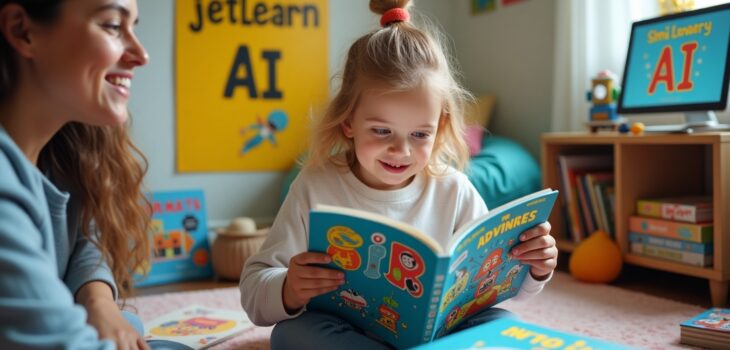
Instead of competing with reading, technology can enhance the experience. Apps and platforms designed with children in mind often include interactive features such as animations, quizzes, and narration. A great example is read-to-me books for kids, which allow young learners to listen to professional narrators or even their parents’ recorded voices while following along with the text. This blend of audio and visual engagement bridges the gap for early readers or those struggling with literacy, making reading more approachable and enjoyable.
Overcoming Barriers to Reading
One of the main challenges in 2025 is the abundance of distractions that compete for a student’s attention. Social media, video streaming, and gaming can easily pull focus away from books. However, creating structured reading times, offering engaging titles, and leveraging digital platforms with gamified learning elements can help overcome these barriers. Encouraging small but consistent reading habits builds momentum that lasts.
Preparing Students for a Global Future
Reading also equips students with a global perspective. Exposure to international authors and diverse cultures through books broadens their horizons. This cultural literacy is especially important in a world where cross-cultural communication is becoming a key part of both academic and professional life. By reading, students not only improve their skills but also learn to appreciate the interconnectedness of the world around them.
Why Reading Still Holds Power in 2025
Despite the rapid rise of artificial intelligence, virtual reality, and interactive media, reading remains irreplaceable. It builds the mental stamina necessary for complex problem-solving, the empathy to navigate relationships, and the knowledge to thrive in an information-rich society. Students who make reading a daily habit are better prepared for the challenges and opportunities of the future.
Conclusion
In 2025, the question is not whether reading is outdated but rather how it continues to evolve and benefit students. From boosting cognitive skills to nurturing empathy, from supporting academic success to fostering lifelong learning, reading stands as a cornerstone of education. Parents, teachers, and technology all play vital roles in making reading engaging and accessible. Ultimately, reading for students is not just a skill but a lifelong gift that shapes who they are and who they will become.