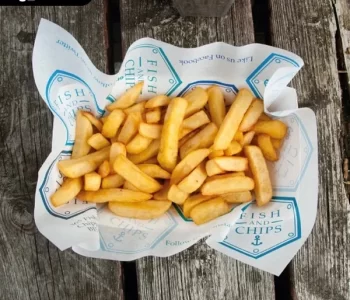
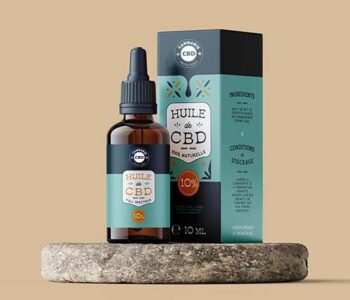
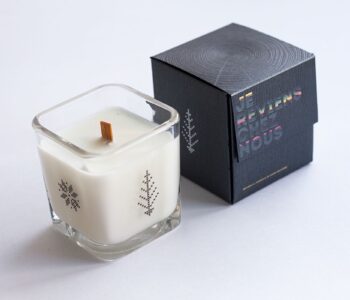
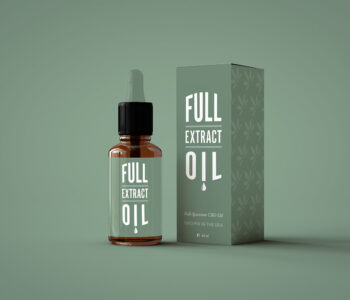
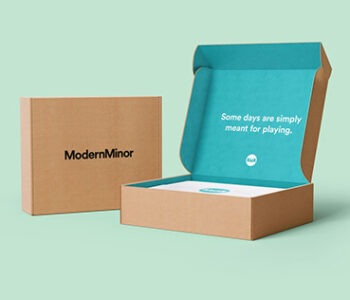
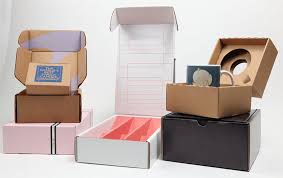
 packaging boxes
Why Sustainable Packaging Is the Future of Product Branding and Customer Experience
- by ritakaplan21
In an era where climate change, pollution, and environmental degradation dominate global concerns, sustainable packaging has emerged as a powerful and necessary shift in how products are packaged, perceived, and delivered. More than just a “green trend,” it’s becoming an industry standard driven by consumers, regulations, and responsible brands.
This article explores why sustainable packaging matters, how it’s transforming industries, and what businesses can do to align with this future-forward approach.
What is Sustainable Packaging?
Sustainable packaging refers to packaging that is produced, used, and disposed of in ways that reduce environmental harm. This includes the use of:
-
Recycled materials
-
Biodegradable or compostable components
-
Minimal and lightweight packaging design
-
Renewable resources
-
Non-toxic printing inks and adhesives
The idea is to minimize waste, reduce carbon footprints, and promote a circular economy where materials are reused or safely returned to nature.
Why Sustainable Packaging is the Future
1. Environmental Urgency
Plastic waste has reached alarming levels. According to National Geographic, over 91% of plastic isn’t recycled. It ends up in oceans, harming marine life and polluting ecosystems.
Switching to eco-friendly materials like kraft, corrugated board, or compostable polymers significantly lowers this burden.
2. Rising Consumer Demand
Today’s consumers are conscious. Over 70% of Gen Z and Millennials say they are more likely to buy from brands that offer sustainable packaging.
In many cases, eco-packaging is the deciding factor between you and your competitor.
3. Cost Savings in the Long Run
While initial adoption of eco-materials might seem costlier, they reduce:
-
Packaging weight → Lower shipping costs
-
Non-compliance risks (with plastic bans or waste policies)
-
Material waste through better design
It’s an investment with high ROI, especially as packaging innovation grows.
4. Compliance with Regulations
Countries are now banning single-use plastic or introducing Extended Producer Responsibility (EPR) rules.
Brands that get ahead of the curve with sustainable alternatives will avoid penalties and gain public trust.
Materials Used in Sustainable Packaging
-
Recycled Paper & Cardboard: Great for retail and eCommerce.
-
Kraft Paper: Biodegradable and rustic — perfect for food, gifts, and cosmetics.
-
Corrugated Fiberboard: Durable and recyclable, ideal for custom rigid boxes.
-
Mushroom Packaging: Made from mycelium and agricultural waste — compostable.
-
PLA Bioplastics: Plant-based, biodegradable in industrial composting.
Trends in Sustainable Packaging Design
-
Minimalist Packaging
Clean, low-ink designs reduce waste and emphasize product quality. -
Reusable Packaging
Think cloth pouches, glass jars, and resealable containers — brands are turning packaging into assets. -
Smart Labeling
QR codes lead to product lifecycle info, reducing the need for printed inserts. -
Mono-material Solutions
Using one type of material ensures full recyclability (e.g., all-paper boxes without plastic windows). -
Transparent Messaging
Brands now print eco-messages like “100% compostable” or “Made from 80% recycled paper” on the packaging to build trust.
Industries Using Sustainable Packaging
Sustainable packaging is now common in:
-
Food & Beverage: Using compostable containers, wrappers
-
Cosmetics: Switching to glass, bamboo, and refillable systems
-
eCommerce: Eco-mailers, recycled cardboard, water-activated tape
-
Luxury Brands: Rigid boxes made with recycled fibers — see our custom rigid boxes
-
Healthcare: Plant-based pill bottles and biodegradable sachets
Benefits for Brands: Beyond the Environment
-
Improved Brand Image: Eco-conscious brands are often more trusted.
-
Increased Customer Loyalty: 52% of consumers feel more loyal to sustainable brands (McKinsey, 2024).
-
Higher Sales: Products with sustainable packaging sell better, especially in premium segments.
-
New Market Access: Retailers like Amazon and Walmart require sustainability standards in packaging for vendor onboarding.
How to Switch to Sustainable Packaging
Here’s a quick roadmap for businesses:
Step 1: Evaluate Your Current Packaging
Analyze what materials you currently use and where the waste is highest.
Step 2: Choose Your Eco Goals
Do you want recyclable, compostable, or reusable packaging? Each has its use case.
Step 3: Partner with the Right Supplier
Look for manufacturers offering certified sustainable packaging. Our platform provides eco-friendly rigid boxes and corrugated packaging tailored to your brand needs.
Step 4: Optimize Design
Reduce excess materials, eliminate unnecessary inserts, and choose mono-materials wherever possible.
Step 5: Educate Your Customers
Include messages like “Please recycle” or provide info on how to compost or reuse your packaging.
Case Study Example: Fashion Brand X
Fashion Brand X reduced its plastic use by 90% by switching to paper mailers and compostable hang tags. Within six months:
-
Cart abandonment decreased by 12%
-
Average order value increased
-
Brand mentions on Instagram doubled due to eco-packaging buzz
This shows how packaging is more than function — it’s part of the product experience.
Common Myths About Sustainable Packaging
-
“It’s too expensive.”
Not always. Kraft and recycled materials are cost-efficient, and reusability reduces overall consumption. -
“It’s not durable.”
Modern eco-materials can be just as strong — especially rigid cardboard boxes. -
“Customers don’t care.”
Surveys prove otherwise — consumers do notice and reward green practices.